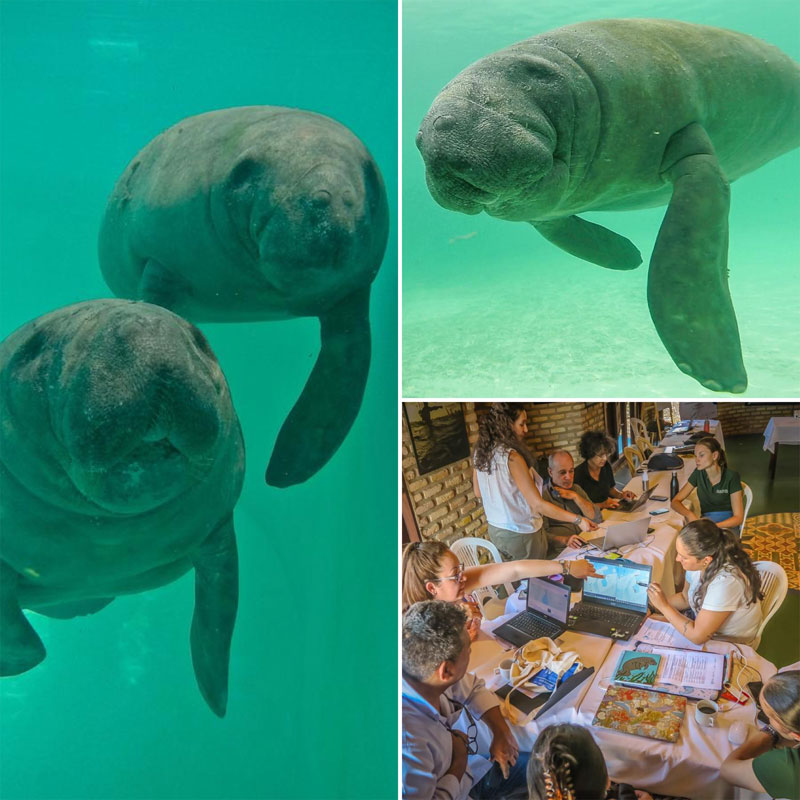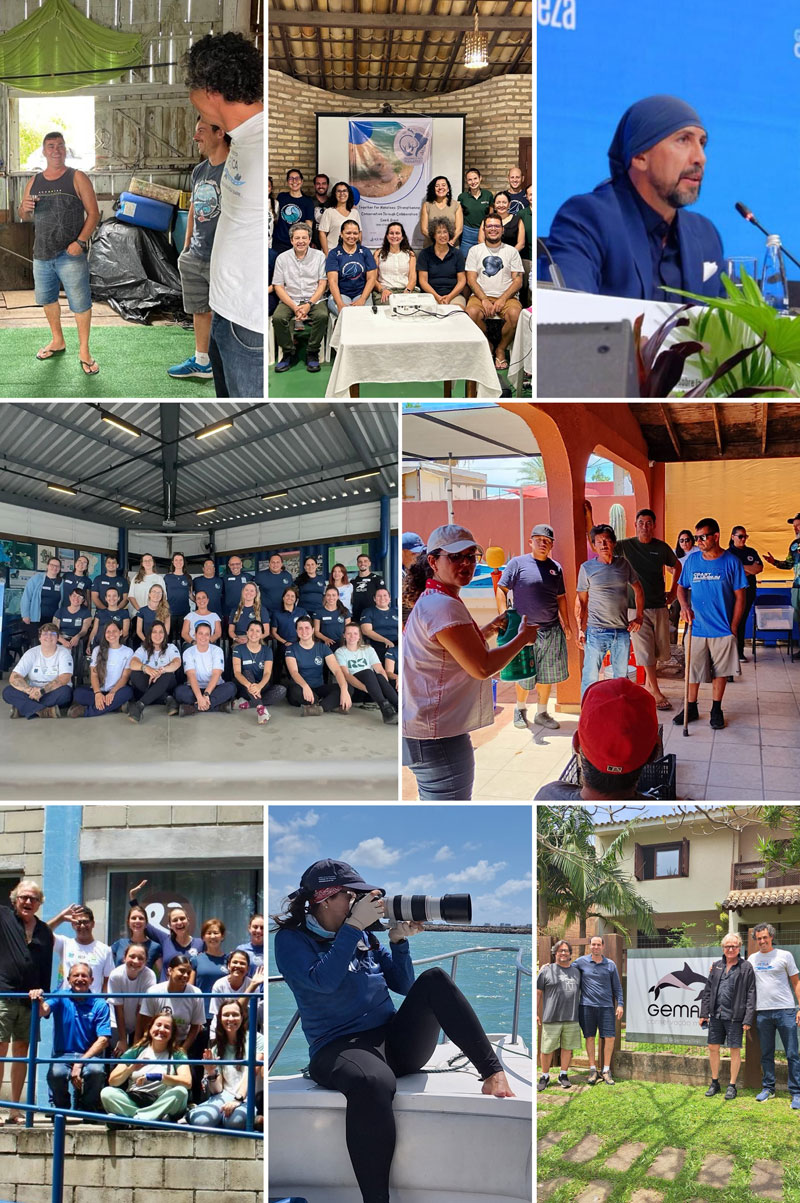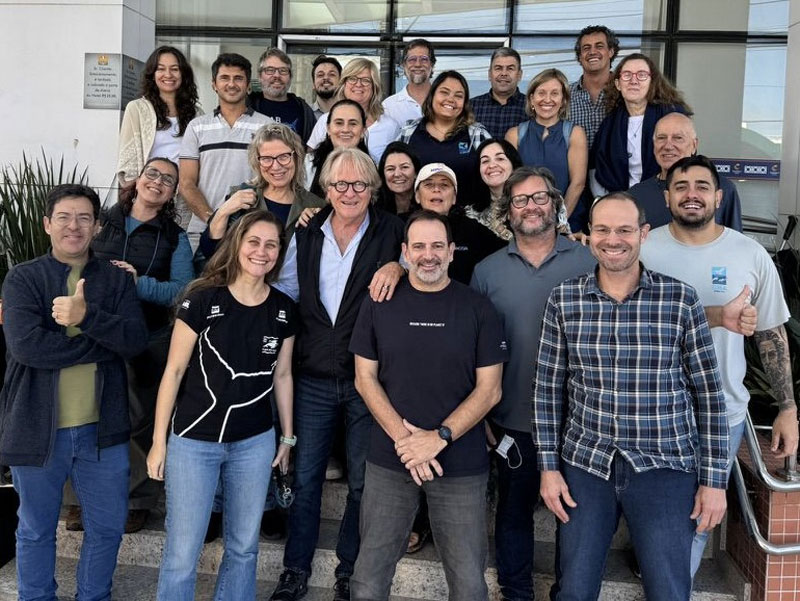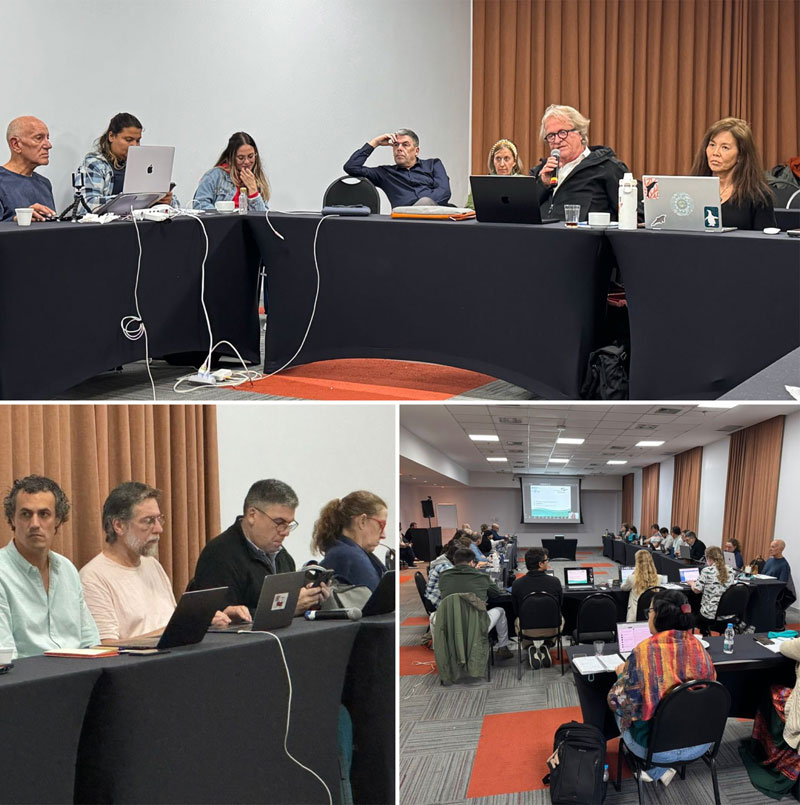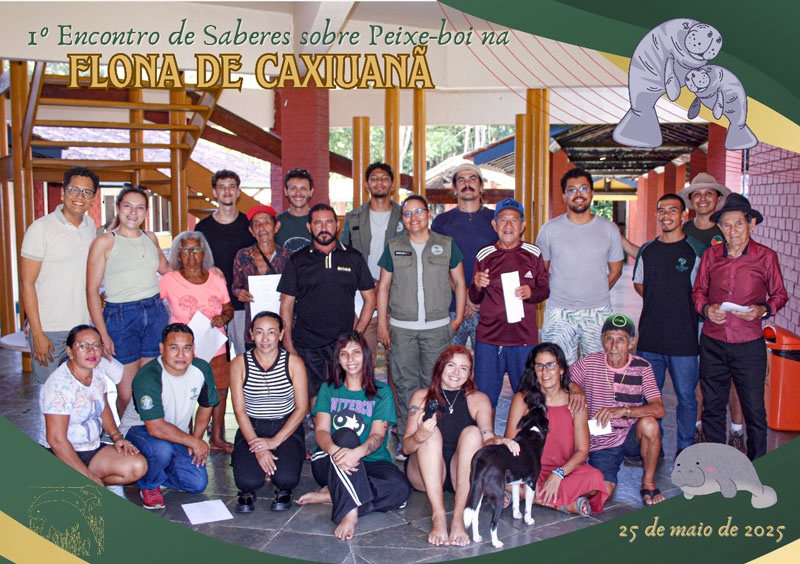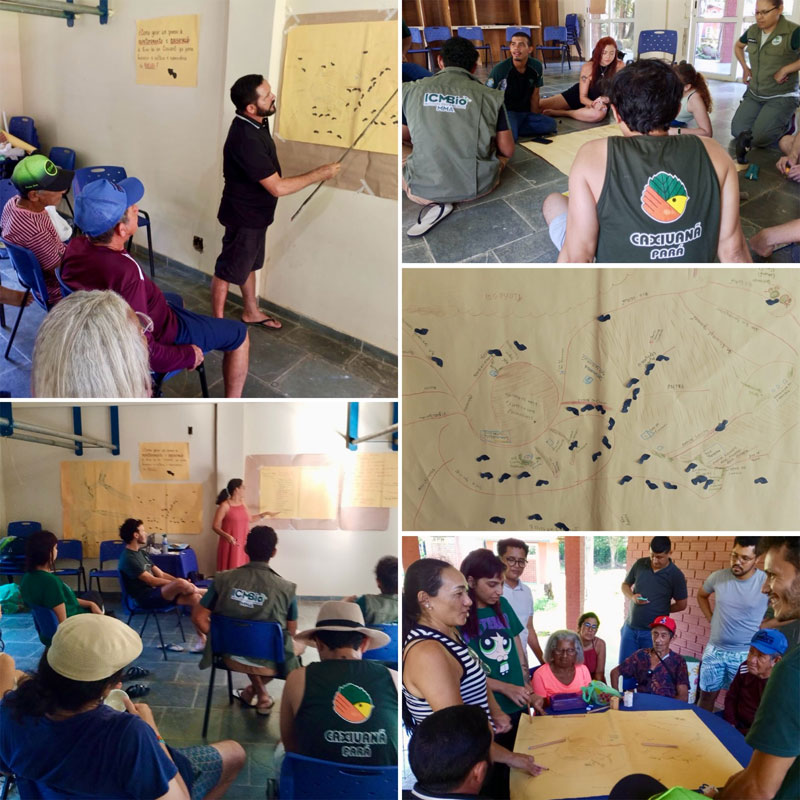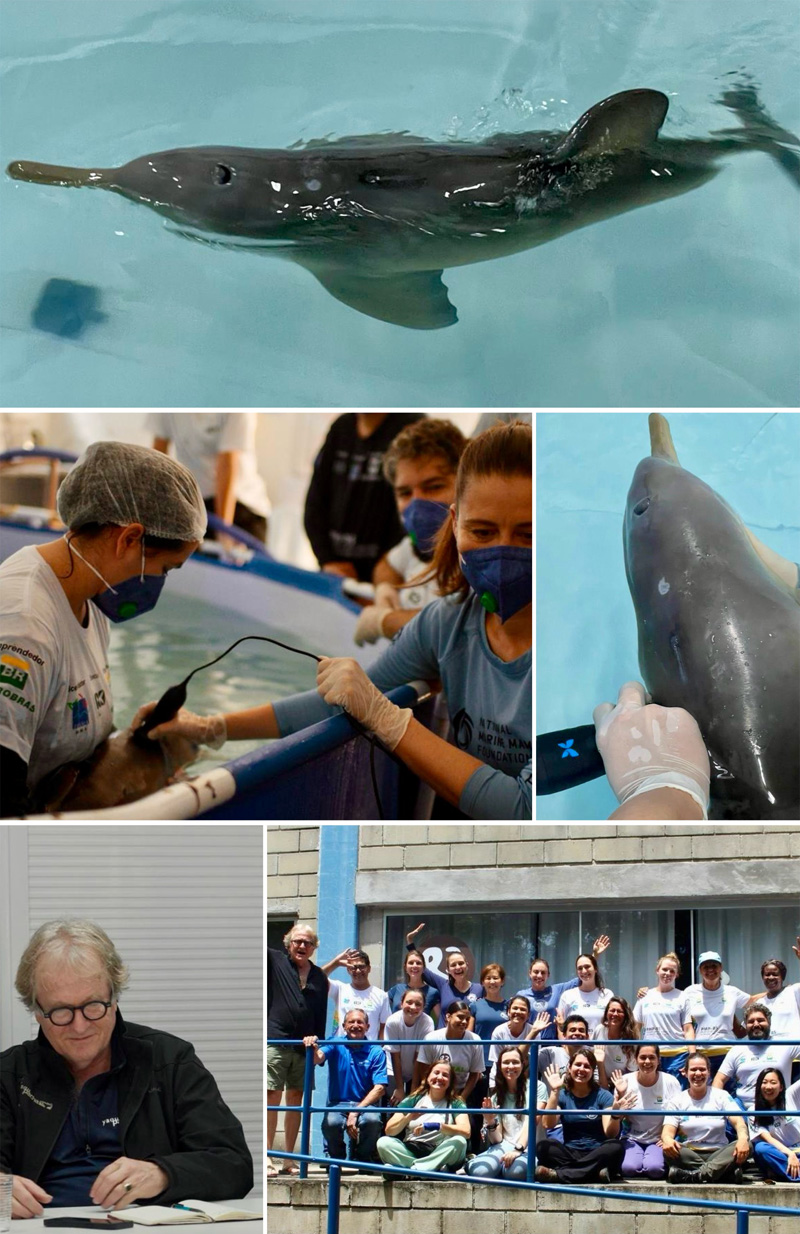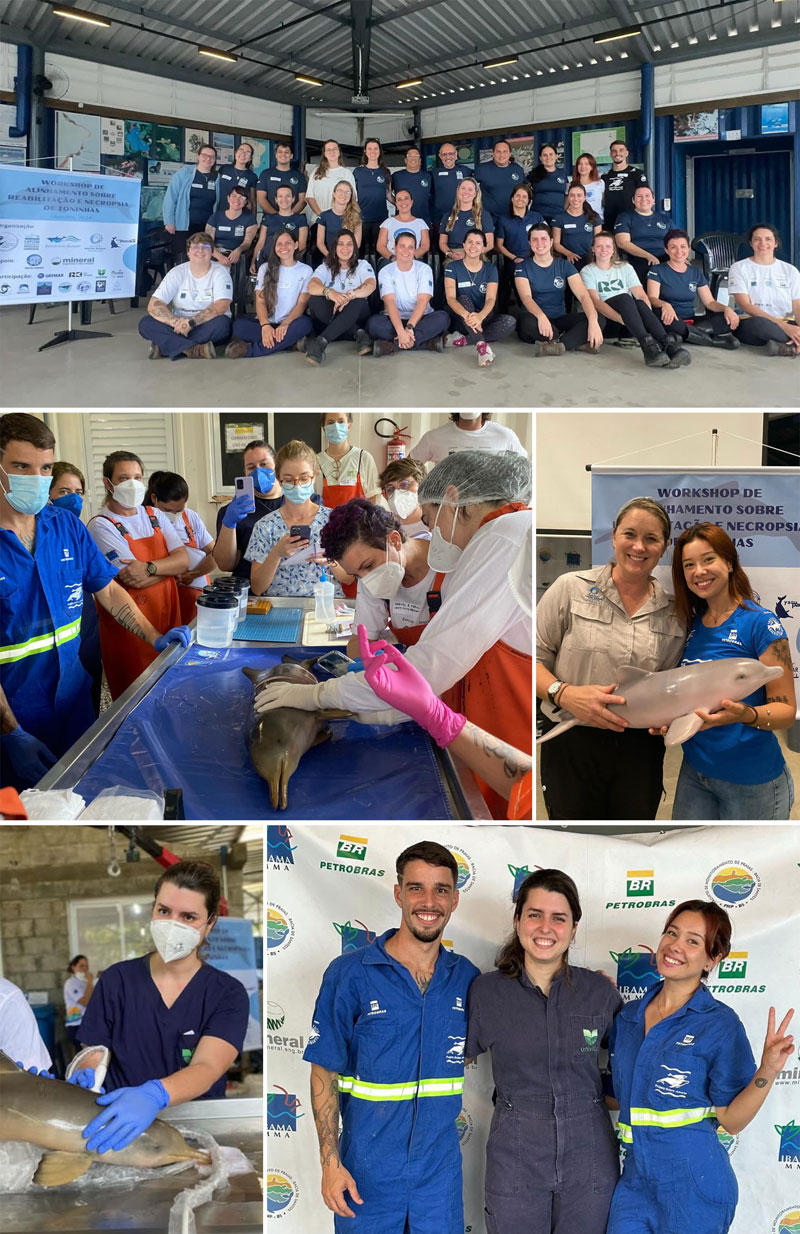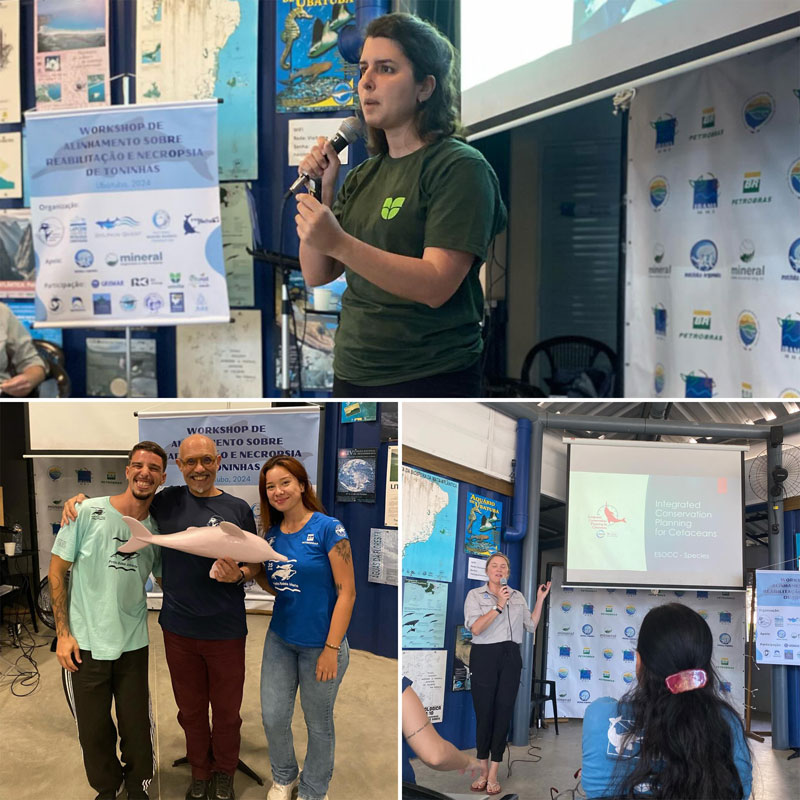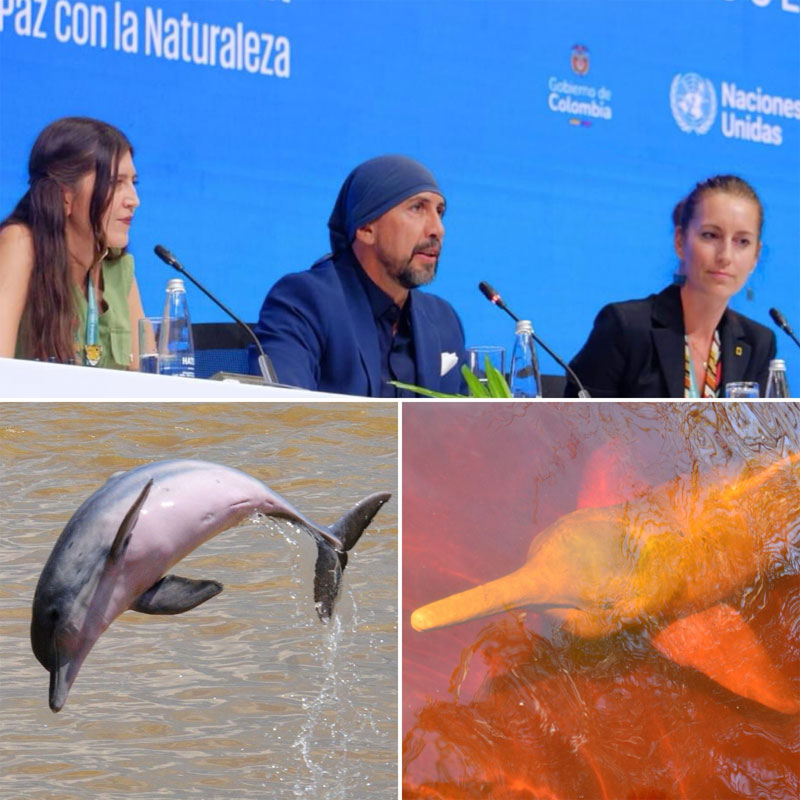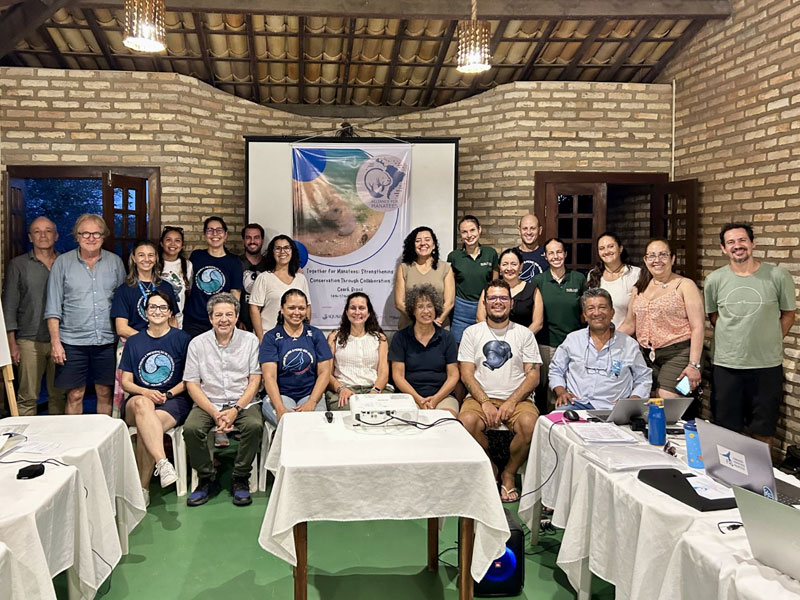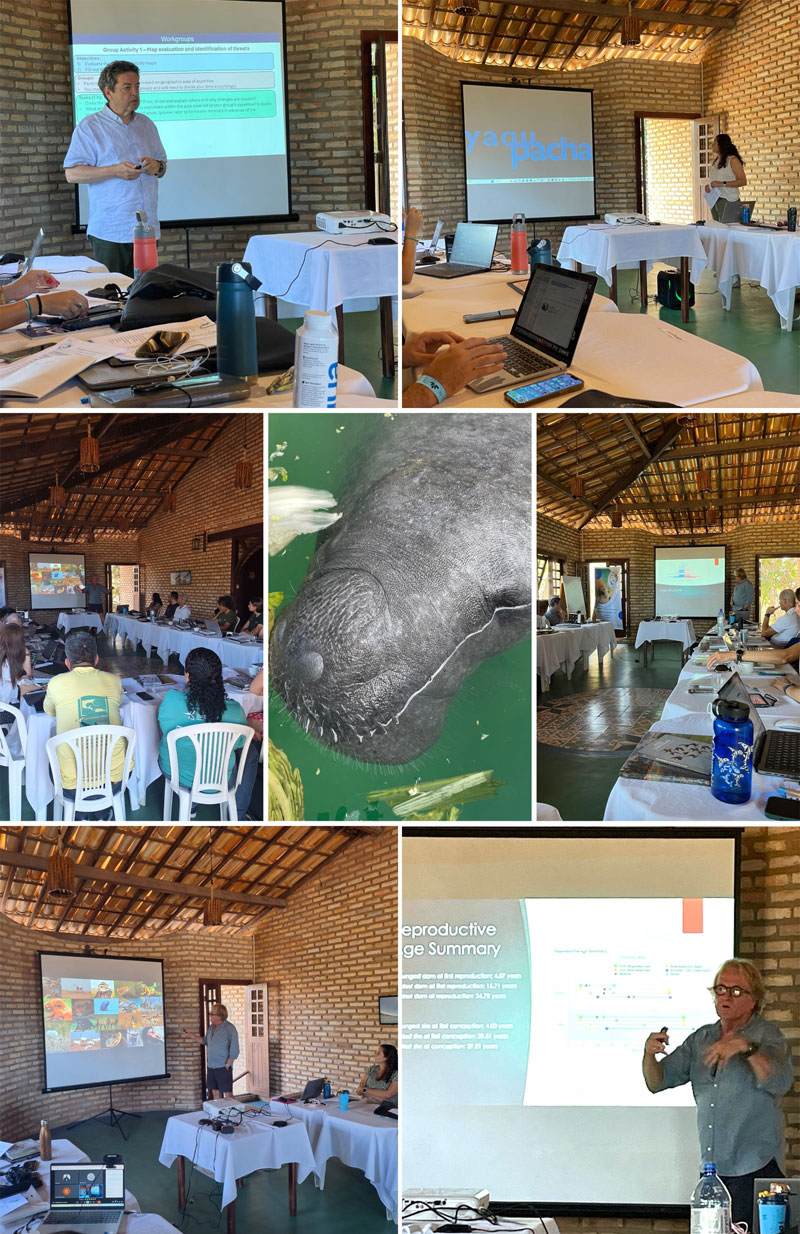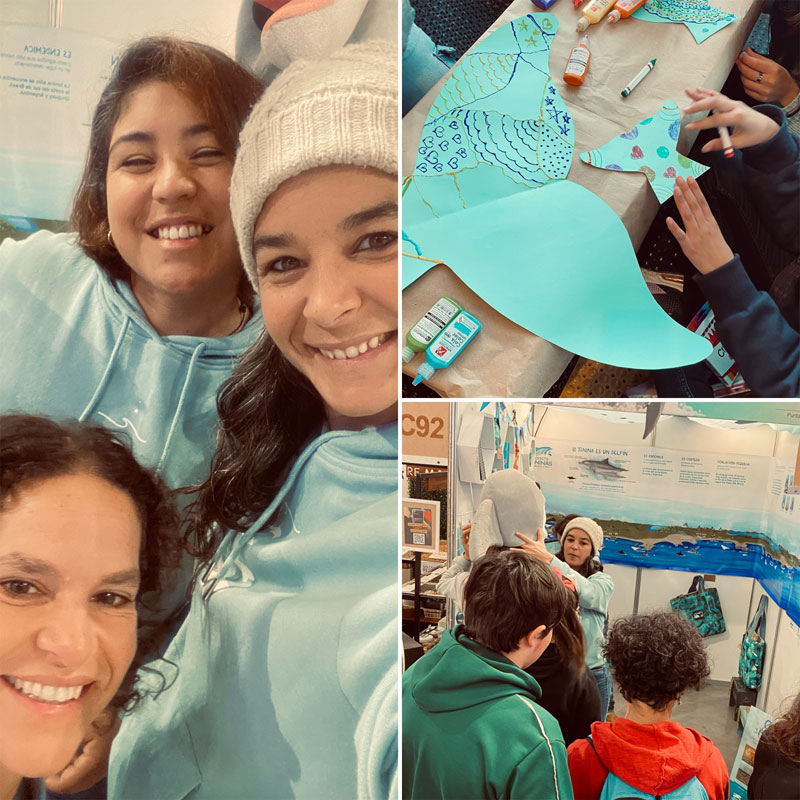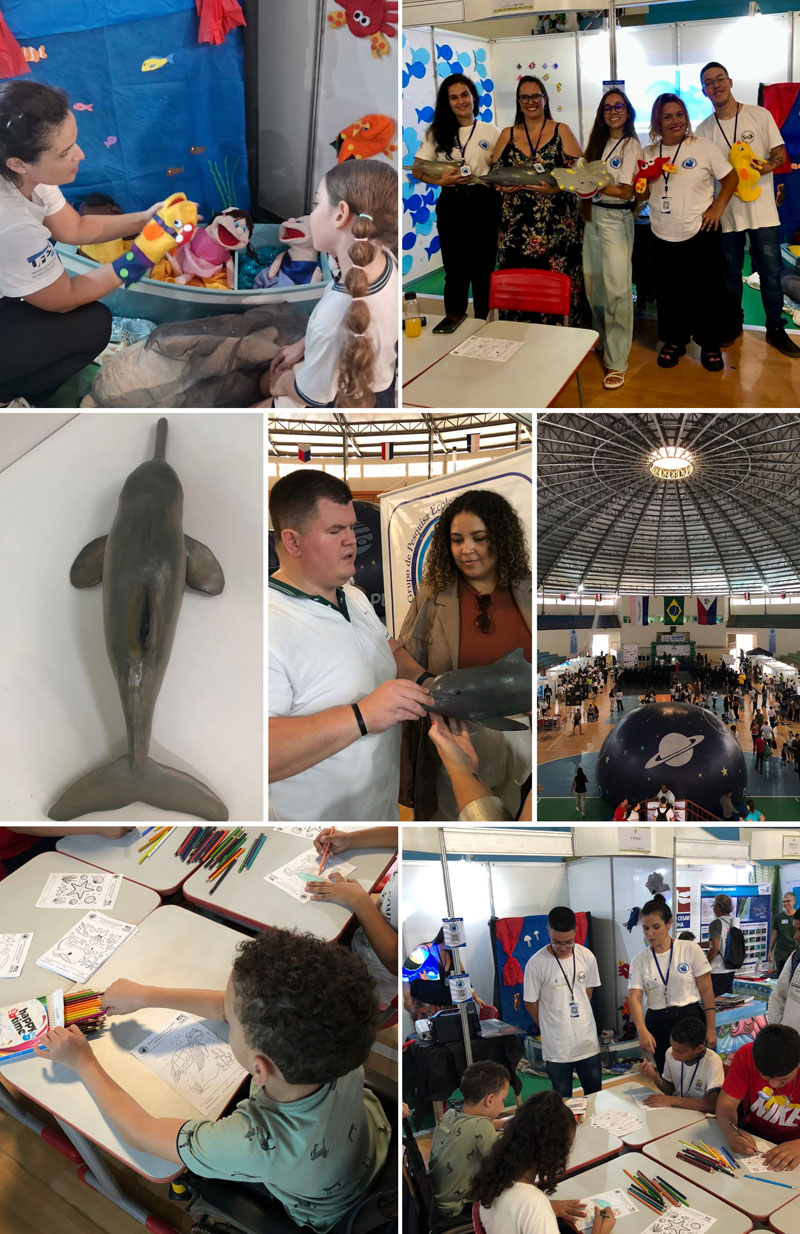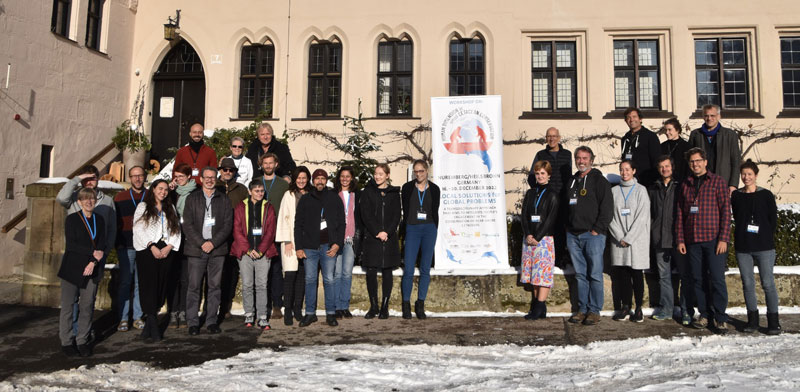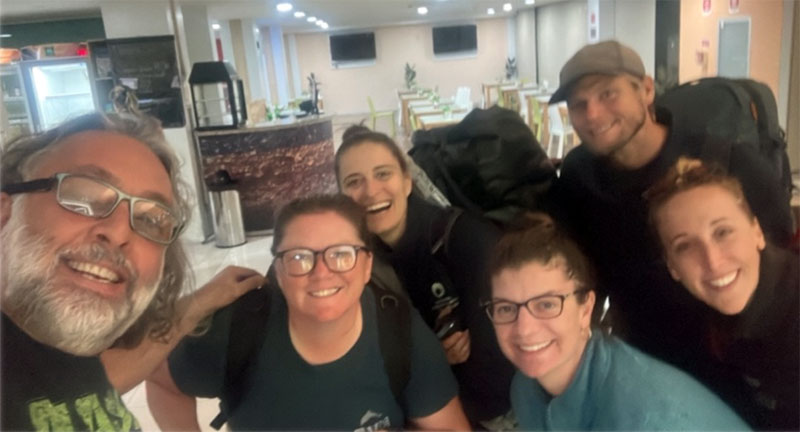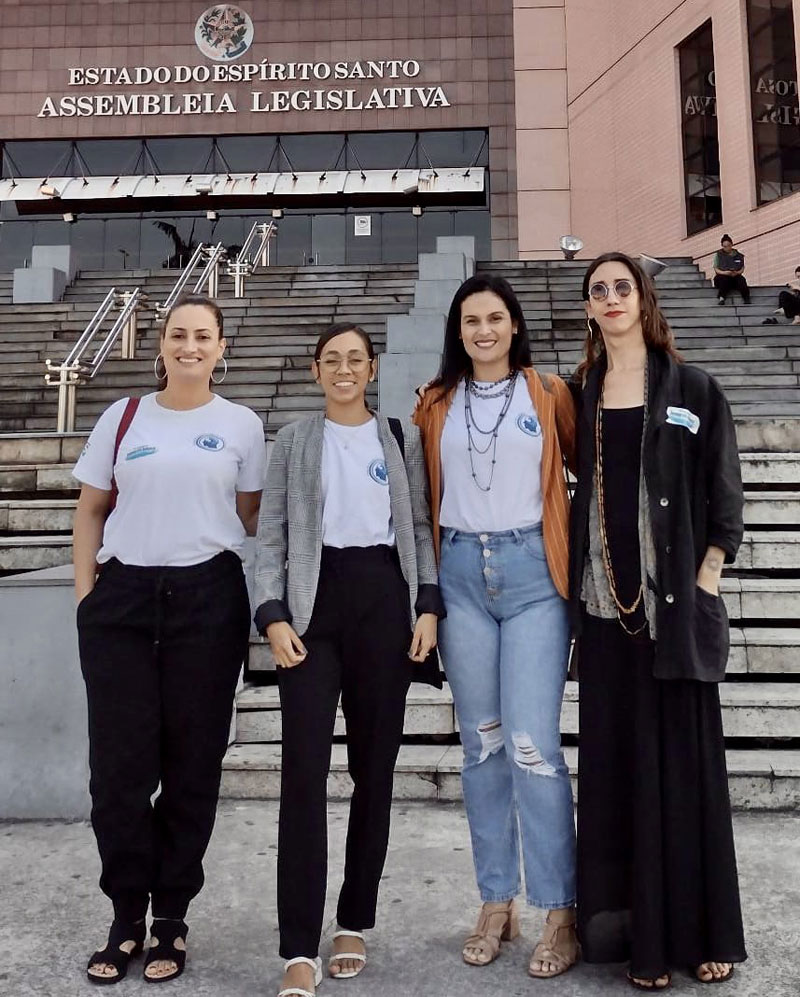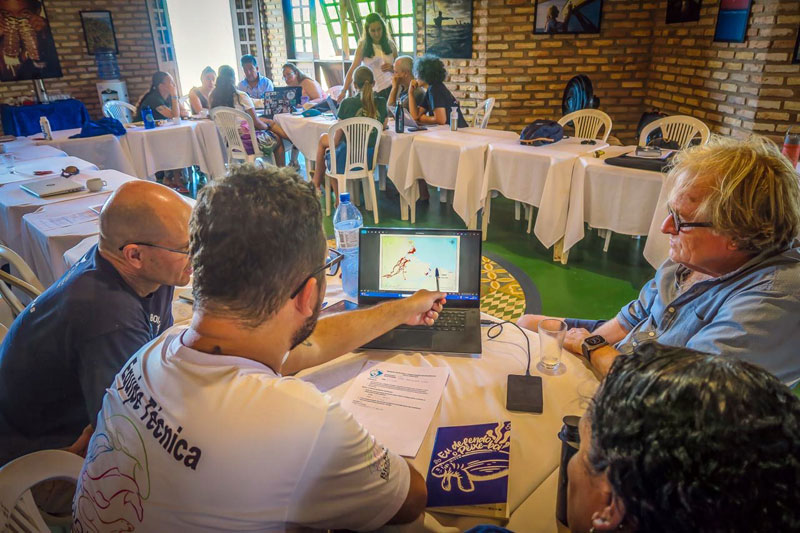
Icapuí, Brazil – From October 14 to 17, the Alliance for Manatees held an important manatee workshop at the Oh Linda! Pousada in Icapuí, Brazil, bringing together experts from across South America to discuss the urgent need to protect Caribbean manatees. A total of 23 dedicated experts from 19 leading institutions and six South American countries—from Brazil to Colombia—participated. It was the first time such an international meeting had been held in South America.
This groundbreaking workshop marked an important step toward the conservation of the manatee. Over the course of four days, participants engaged in lively discussions, analyzed the latest scientific data on manatee habitats, assessed existing threats and conservation priorities, and developed future actions. A key objective of the event was to refine the habitat maps and identify critical areas that require immediate protection.
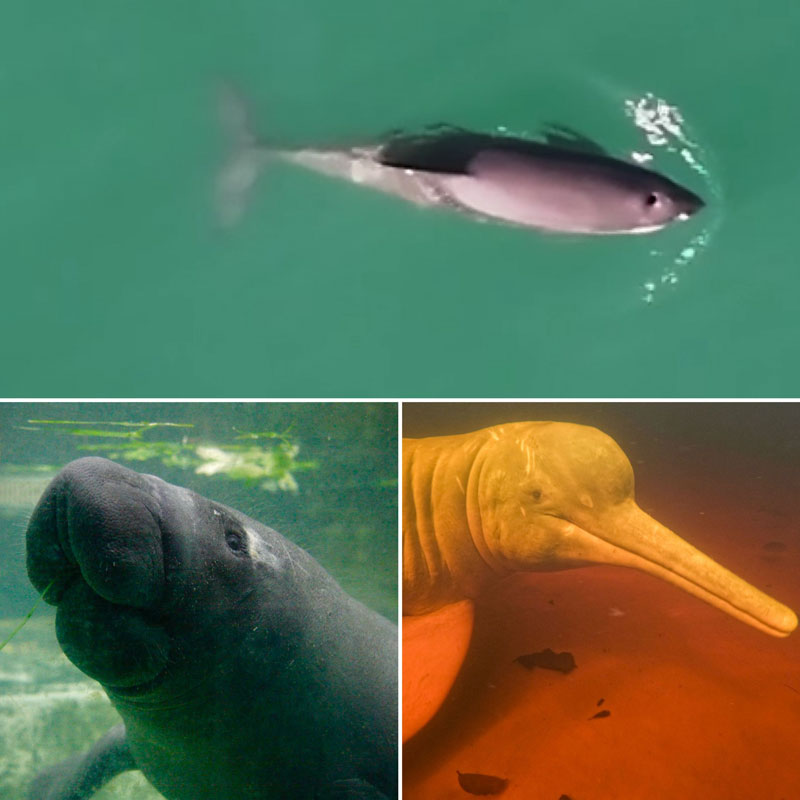
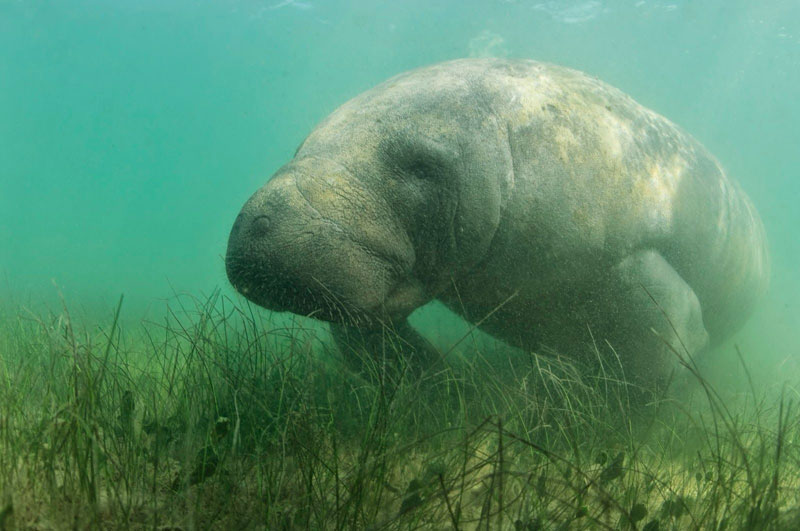
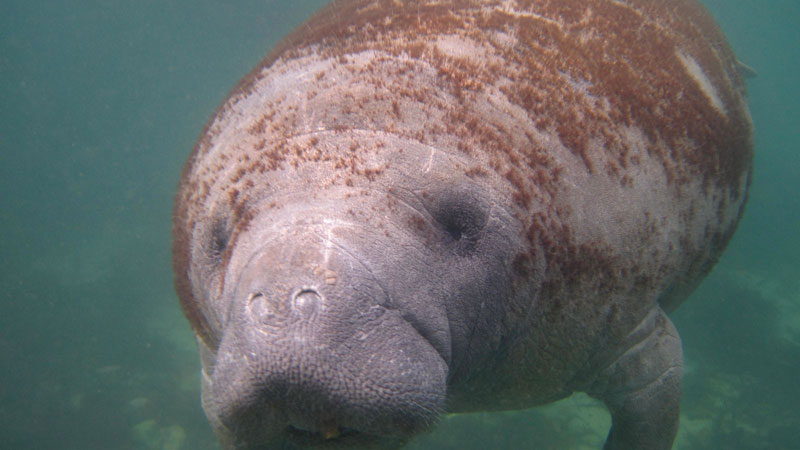
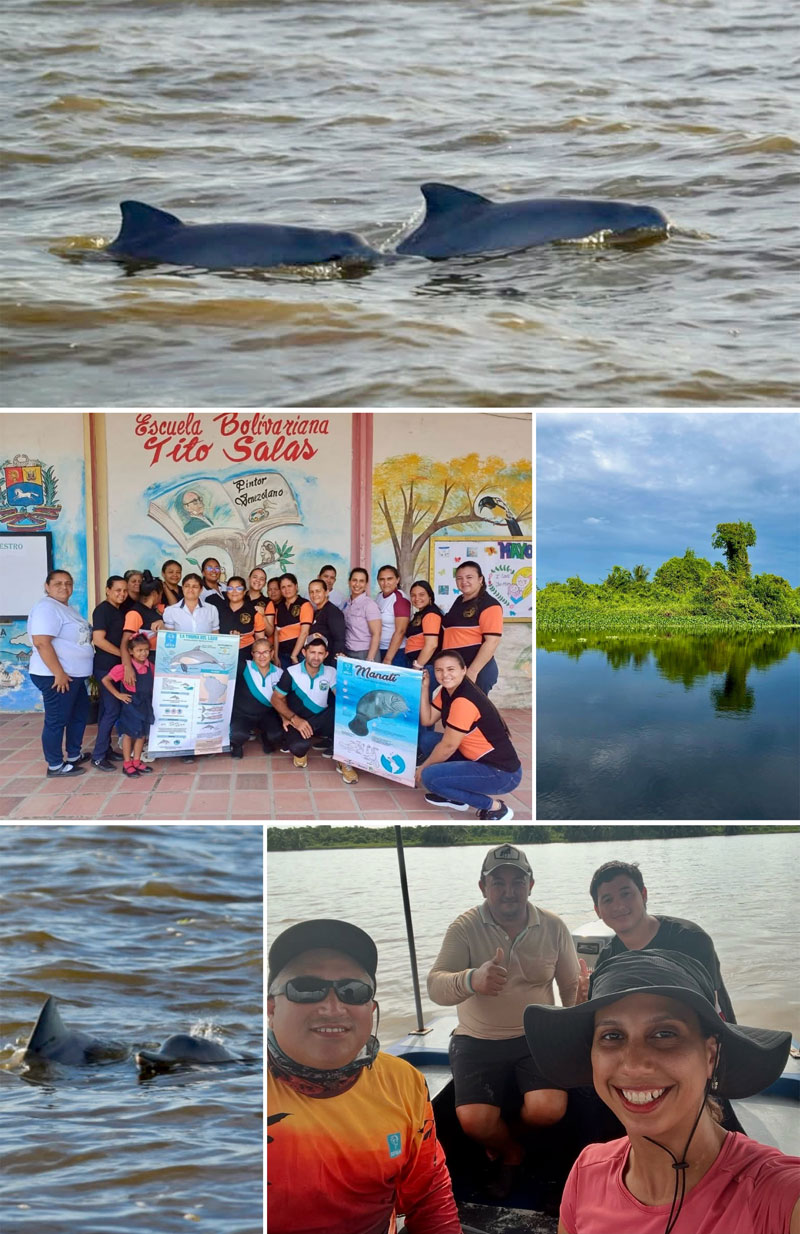
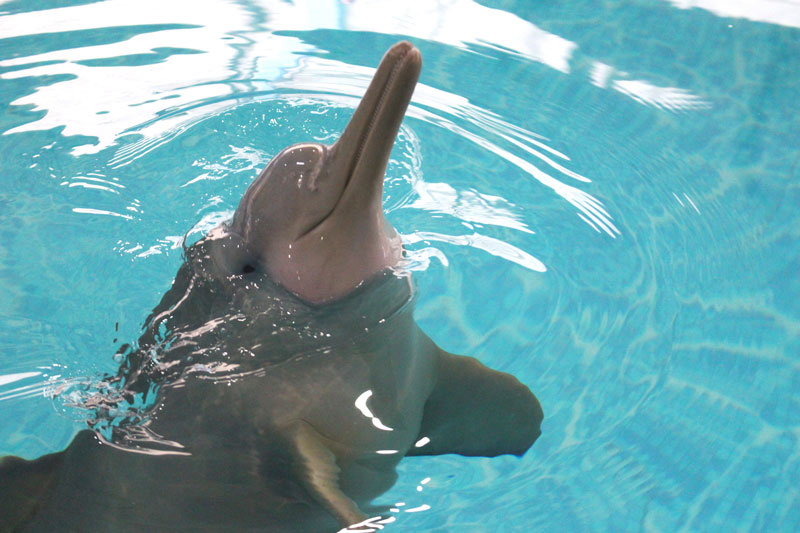
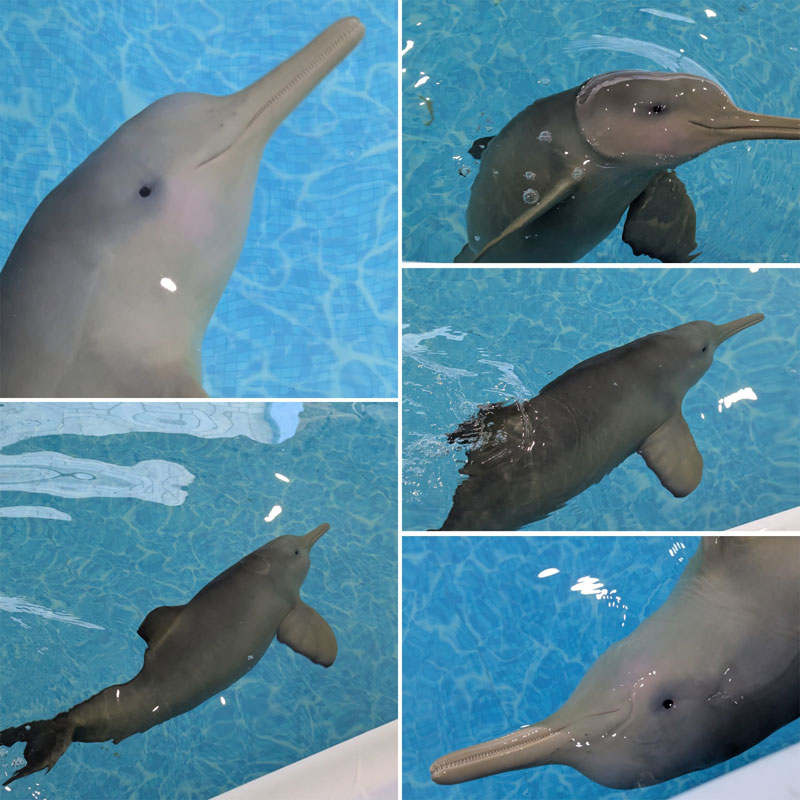
Caribbean manatees are gentle, slow-swimming marine mammals known for their round, bearded faces and paddle-shaped tails. They are often called “sea cows” and live mainly in shallow coastal waters, estuaries, and inland waters of South America. They play an important role in their ecosystems by grazing on aquatic plants, thereby improving water quality. Unfortunately, the subspecies found in South America, the Caribbean manatee (Trichechus manatus manatus), is listed as “Endangered” by the IUCN due to threats such as habitat loss, boat accidents, and climate change. Their survival depends crucially on active conservation measures that protect their habitat and manage human impacts.
Dr. Carol Meirelles, a manatee expert and research associate at the Marine Mammal Research Unit (MMRU) at the University of British Columbia, organized and led the workshop. “The workshop brought together experts with firsthand data and information that had never been shared before,” said Dr. Meirelles. “This allowed us to identify where manatees are still found and where they are threatened.”
Professor Andrew Trites, director of the MMRU, also made an important contribution to the workshop’s organization. His expertise in facilitating discussions fostered the spirit of cooperation that made the event a success. “It was truly remarkable,” says Trites, “to see such a diverse group of manatee experts from all over South America gathered in one place and to realize how essential it is for them to speak with one voice to protect the manatees in their home countries.”
The alliance focuses on the manatees in Colombia, Venezuela, Guyana, Suriname, French Guiana, and Brazil—regions where five national languages are spoken and environmental protection varies in intensity. “The Caribbean manatees do not belong to any single country,” says Trites. “They are a shared responsibility for all of South America. All countries where manatees are found must work together to ensure their survival.”
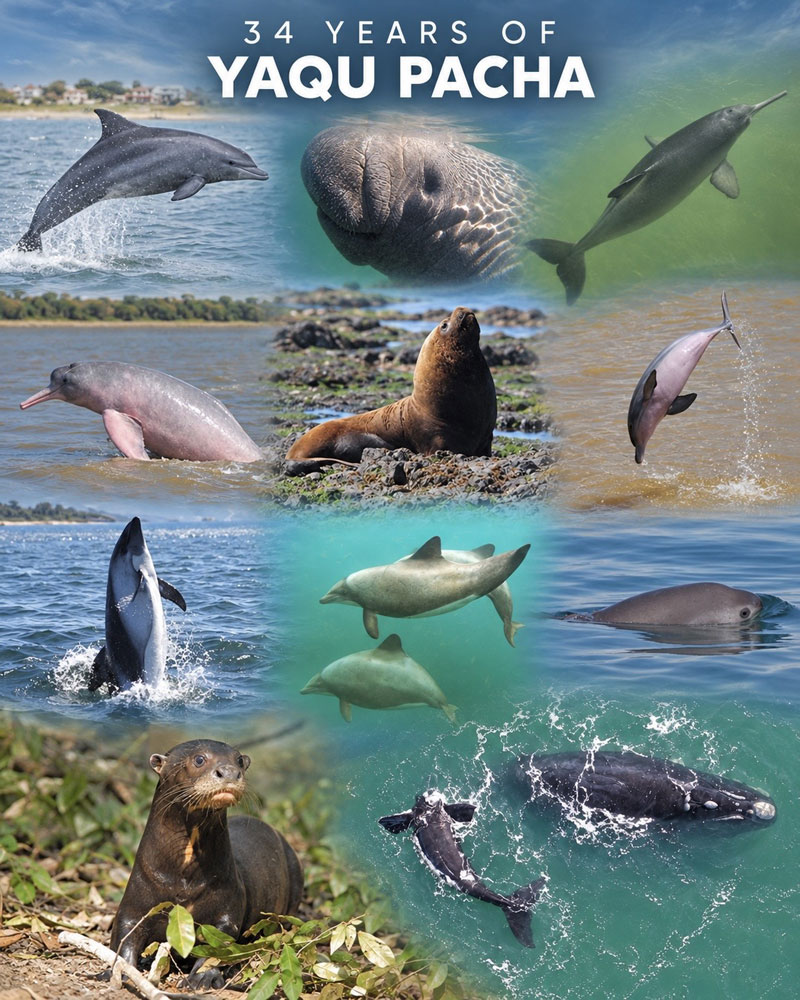
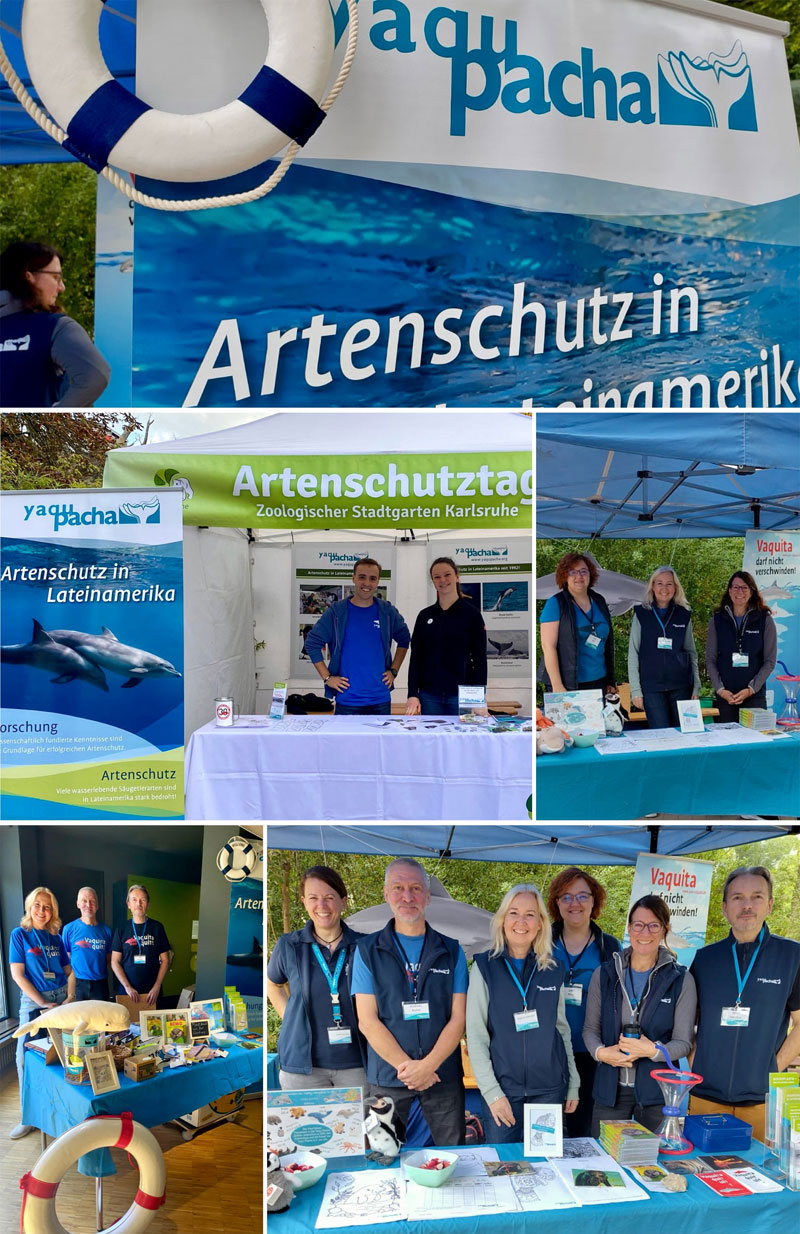
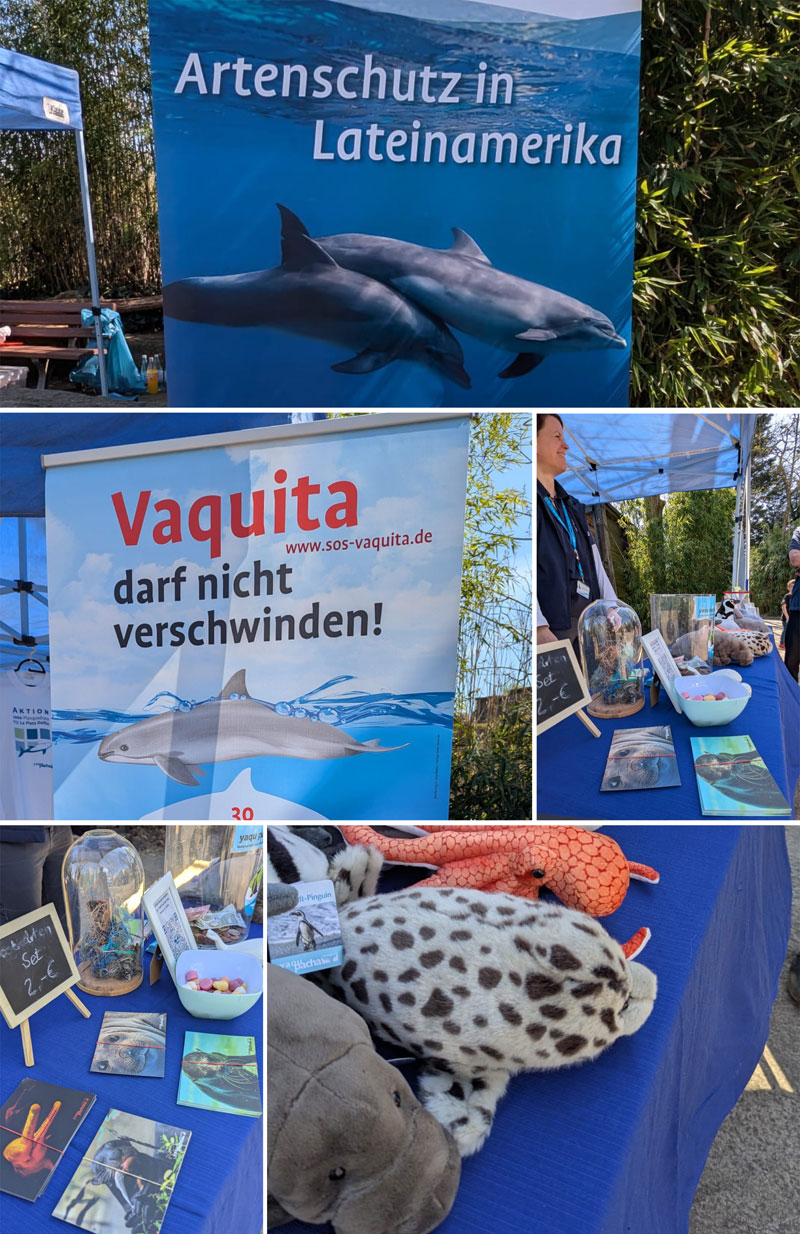
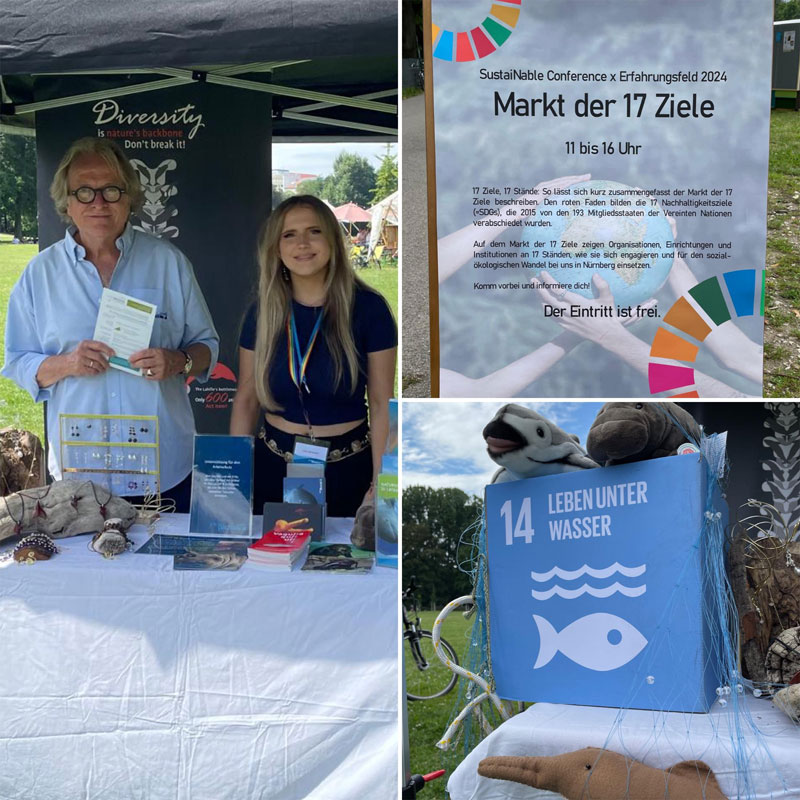
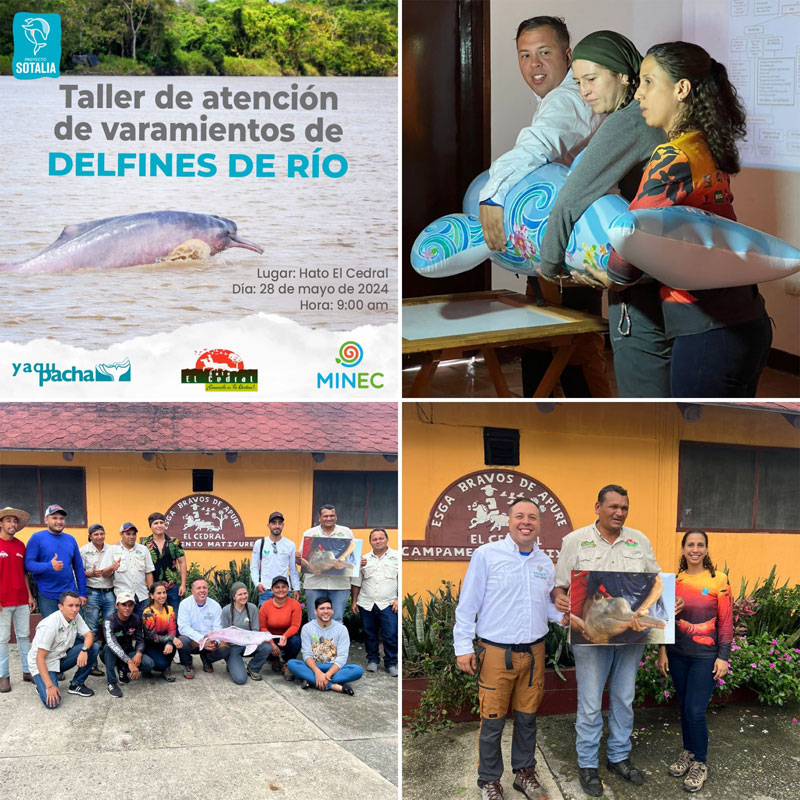
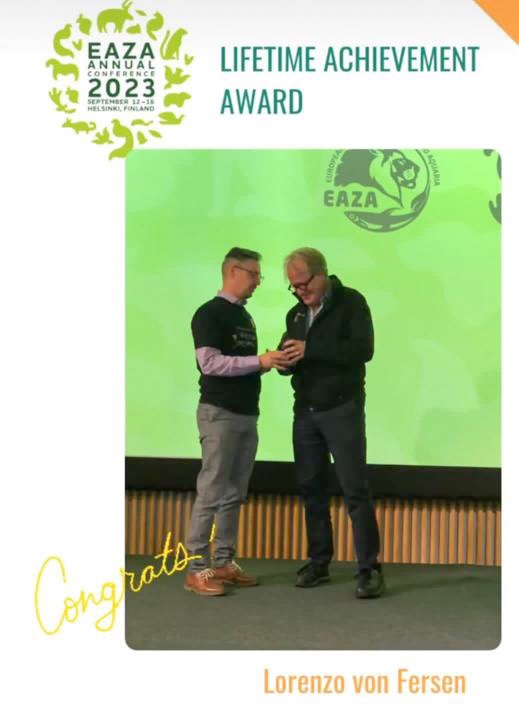
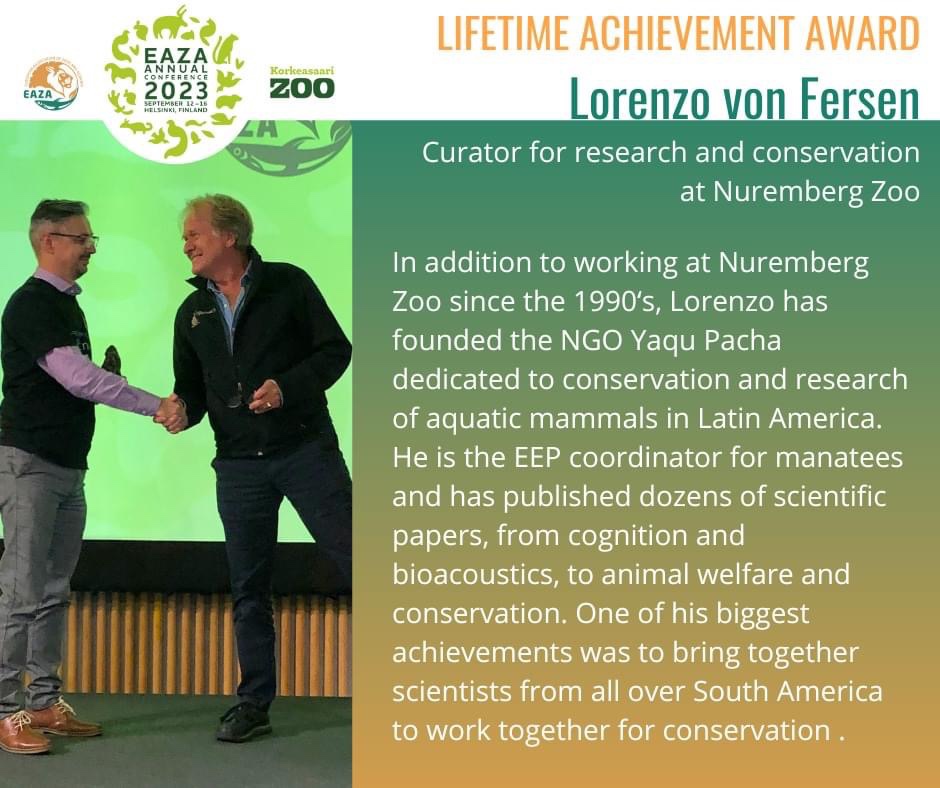
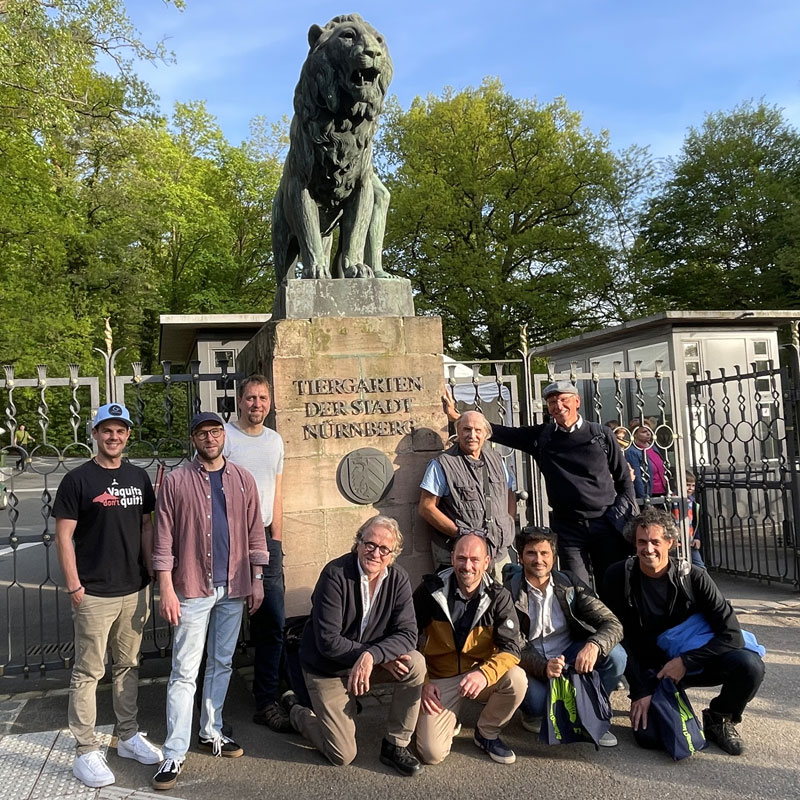
The protection of manatees is a top priority not only in South America. For partners such as the Pairi Daiza Foundation in Belgium, the Nuremberg Zoo, and YAQU PACHA in Germany, the protection of manatees is also of great importance, which is why both organizations provided funding to make the workshop possible. “We wanted to contribute to the long-term conservation of manatees and are proud to support the Alliance’s efforts,” said Dr. Catherine Vancsok, scientific director of the Pairi Daiza Foundation and one of the workshop’s main sponsors. Dr. Lorenzo von Fersen, Curator for Research and Species Conservation at the Nuremberg Zoo and Chairman of YAQU PACHA e.V., emphasized the responsibility of European institutions to actively contribute to the protection of manatee populations.
“As coordinator of the Manatee EEP (EAZA Ex-situ Program) of the European Association of Zoos and Aquariums (EAZA), we see the Alliance for Manatees as a unique opportunity to pool our knowledge and resources to ensure the long-term survival of manatees,” said von Fersen. The involvement of zoos underscores the importance of the IUCN One Plan Approach as a holistic strategy for species conservation. “Zoo-based research provides important data on health, behavior, and reproduction that benefits wild populations and highlights the crucial role of ex situ conservation.”
Von Fersen praised the strong commitment of everyone involved: “What particularly impressed me was the willingness of many participants to share their data and knowledge for a common goal. This open collaboration and exchange of knowledge are exactly what we need for effective conservation strategies. It strengthens my confidence that, together, we can make a real contribution to the conservation of this endangered species.”
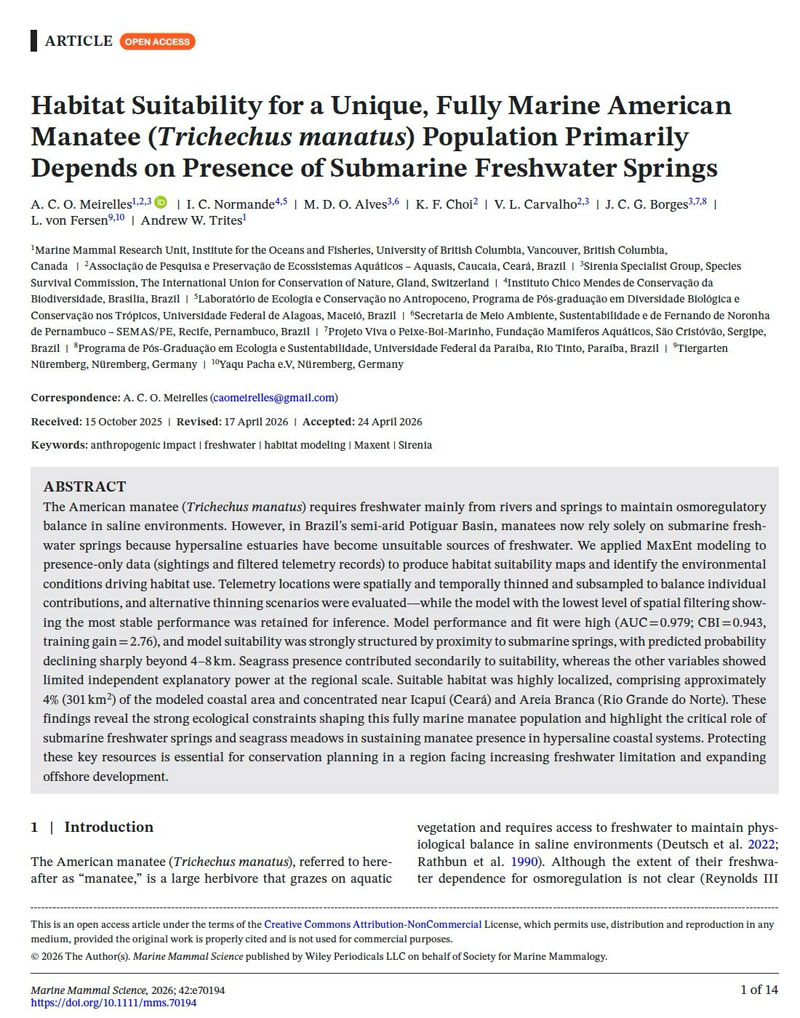
Dr. Meirelles will use the valuable insights gained from the workshop to update the current manatee habitat maps so that they can continue to serve as a basis for the conservation of this species. The international team of manatee experts will continue to collaborate in online meetings over the coming months to create a comprehensive priority map for manatee conservation in South America.
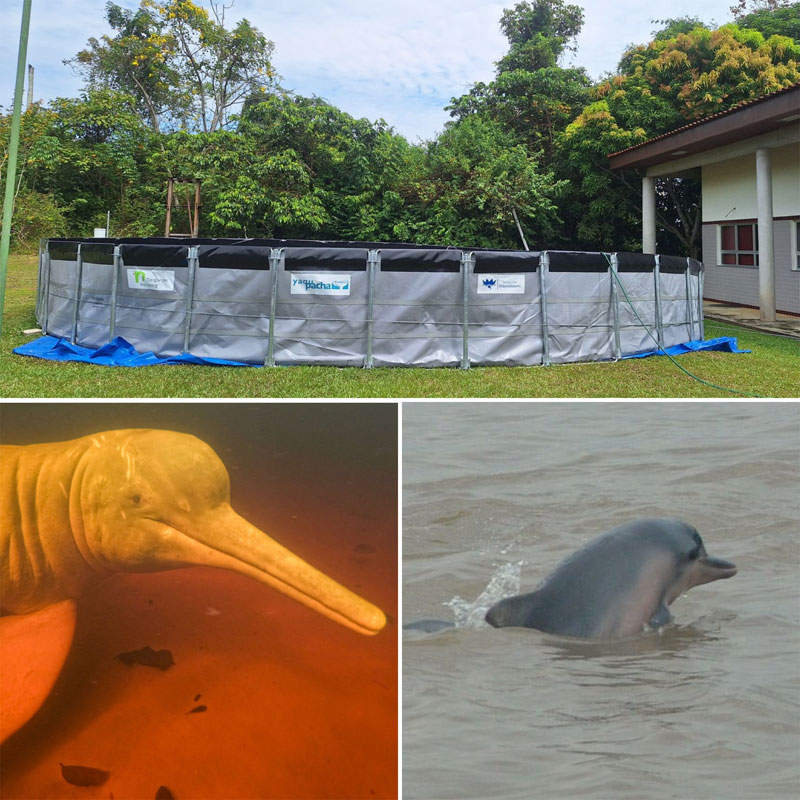
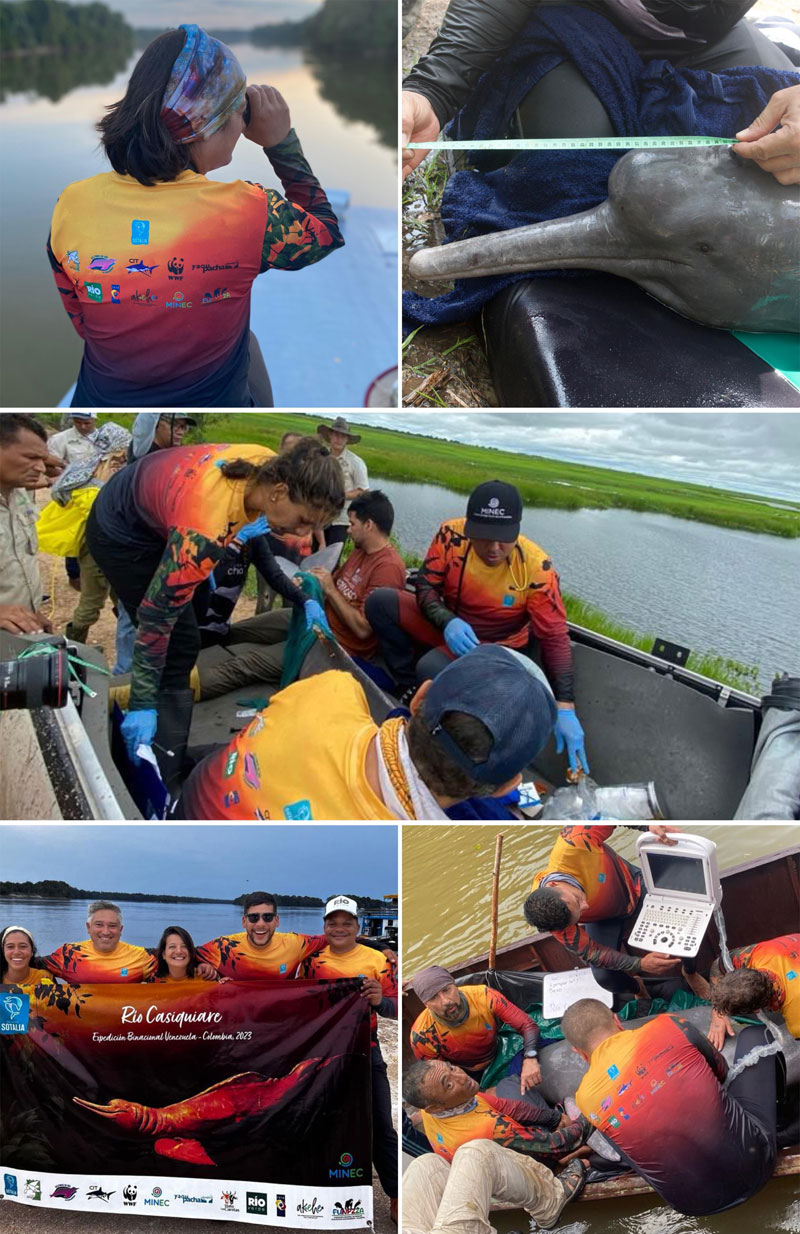
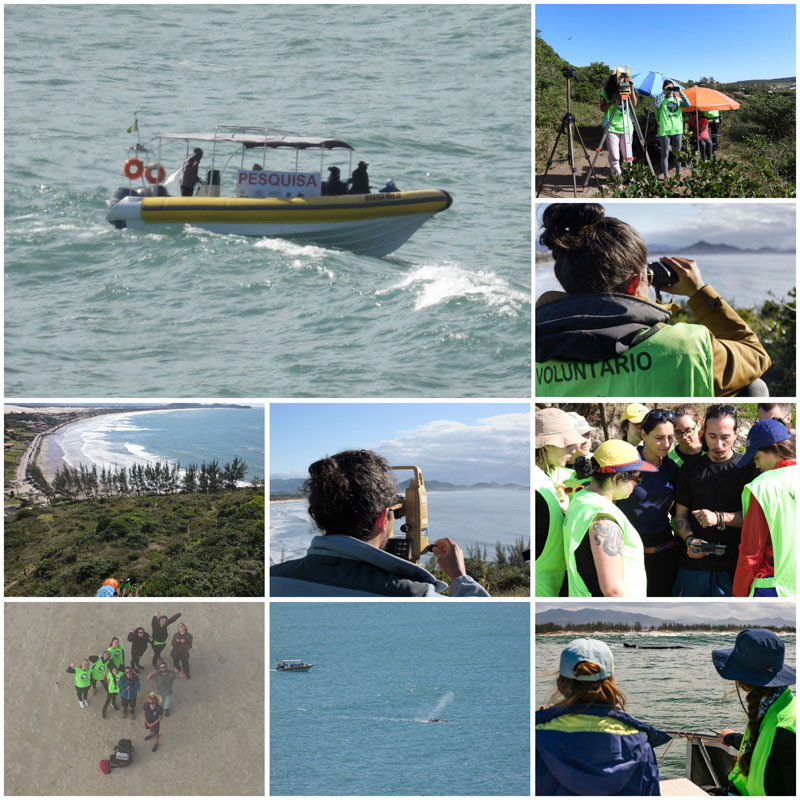
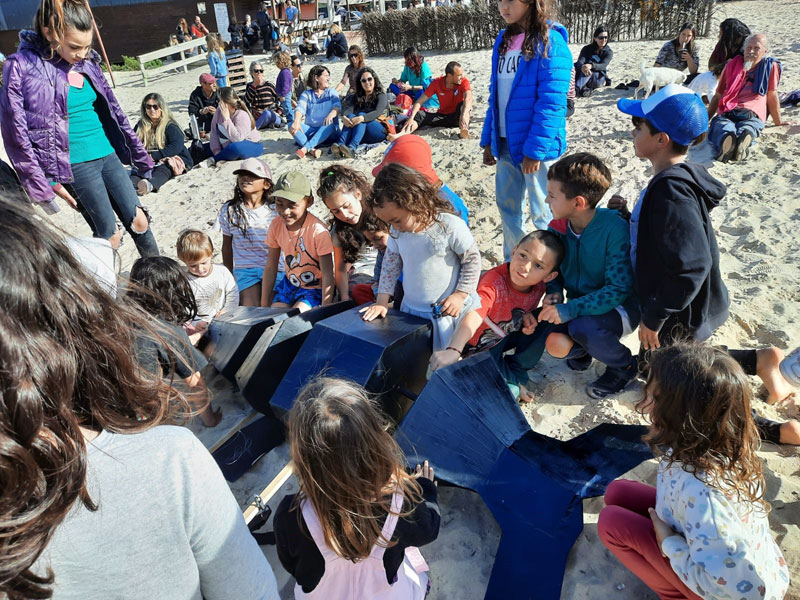
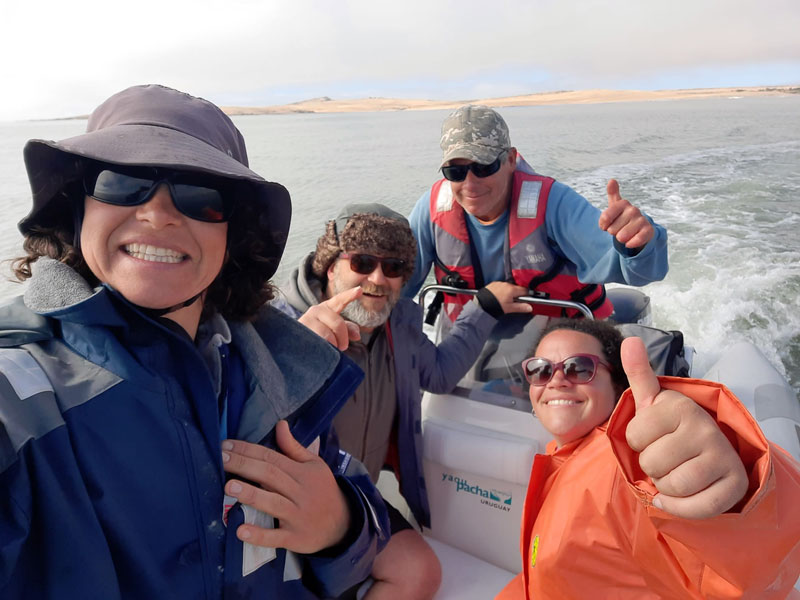
In addition to the in-depth discussions during the manatee workshop, participants also had the opportunity to visit local rehabilitation centers, including the Aquasis Rehabilitation Center and the Praia da Peroba Release Center in Icapuí. These visits provided valuable insights into the practical conservation measures being taken to preserve the region’s endangered manatee populations.
The Manati Workshop was made possible thanks to logistical support from Aquasis, a Brazilian nonprofit organization dedicated to marine conservation. The Alliance for Manatees is a project of the Marine Mammal Research Unit at the Institute for the Oceans and Fisheries at the University of British Columbia and is supported by various partners, including the Nuremberg Zoo, the Pairi Daiza Foundation, YAQU PACHA e.V., and the IUCN Species Survival Commission.
With continued support from these organizations and the dedication of manatee researchers, the Alliance for Manatees is poised to make significant progress in protecting this iconic species throughout South America.
“The willingness to cooperate and share data and knowledge that we’ve seen this week gives me hope that, if we join forces and speak with one voice, we can ultimately save the manatees throughout their entire range,” Meirelles said.