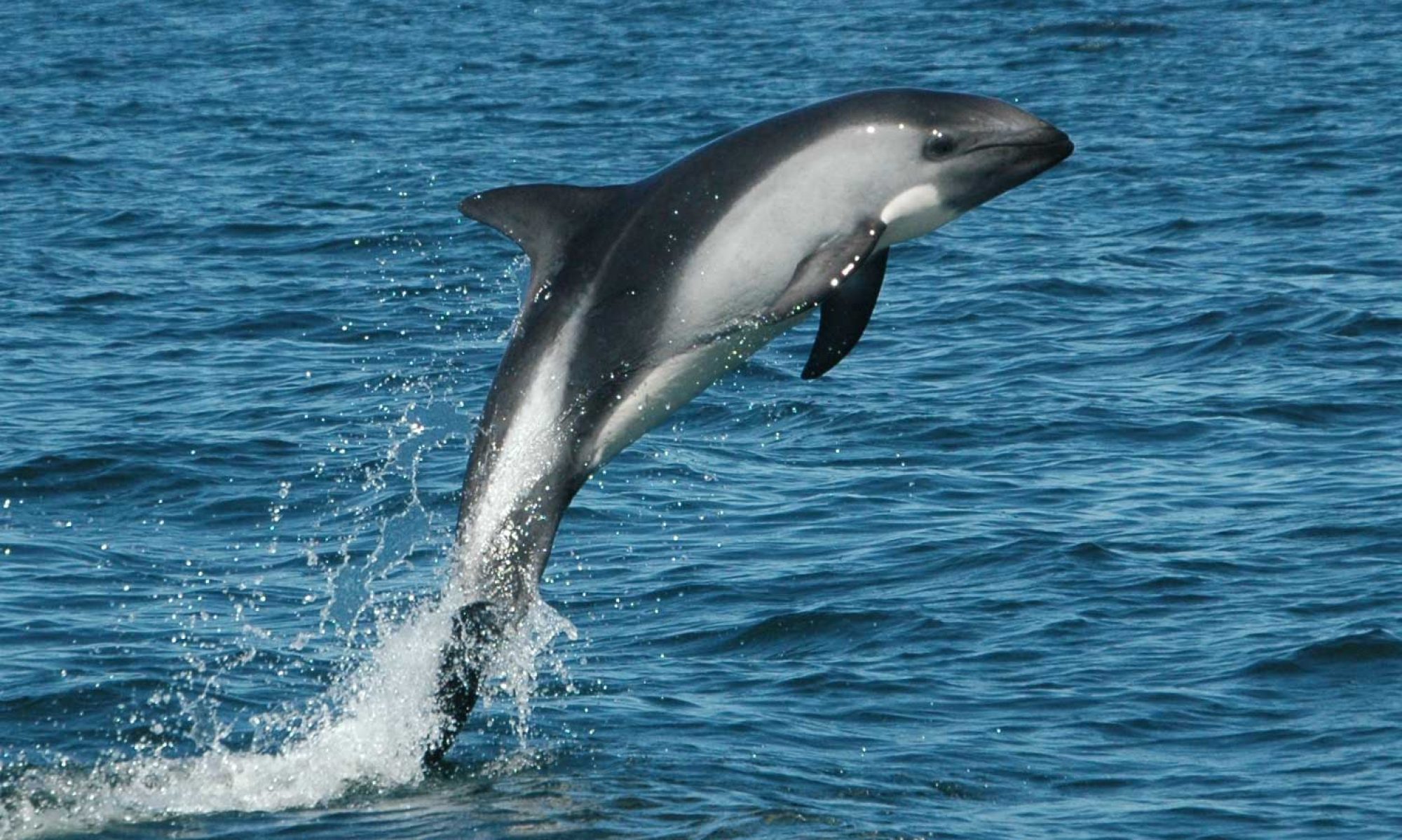

The conservation of biodiversity remains an urgent necessity for the health of our planet. In light of the growing challenges posed by human-caused problems, the conservation of every single species is becoming a critical priority. The Lahille bottlenose dolphin(Tursiops gephyreus), of which there are now no more than 600 individuals remaining, faces growing threats from habitat destruction, pollution, bycatch, and climate change—highlighting the urgent need for concerted conservation efforts.
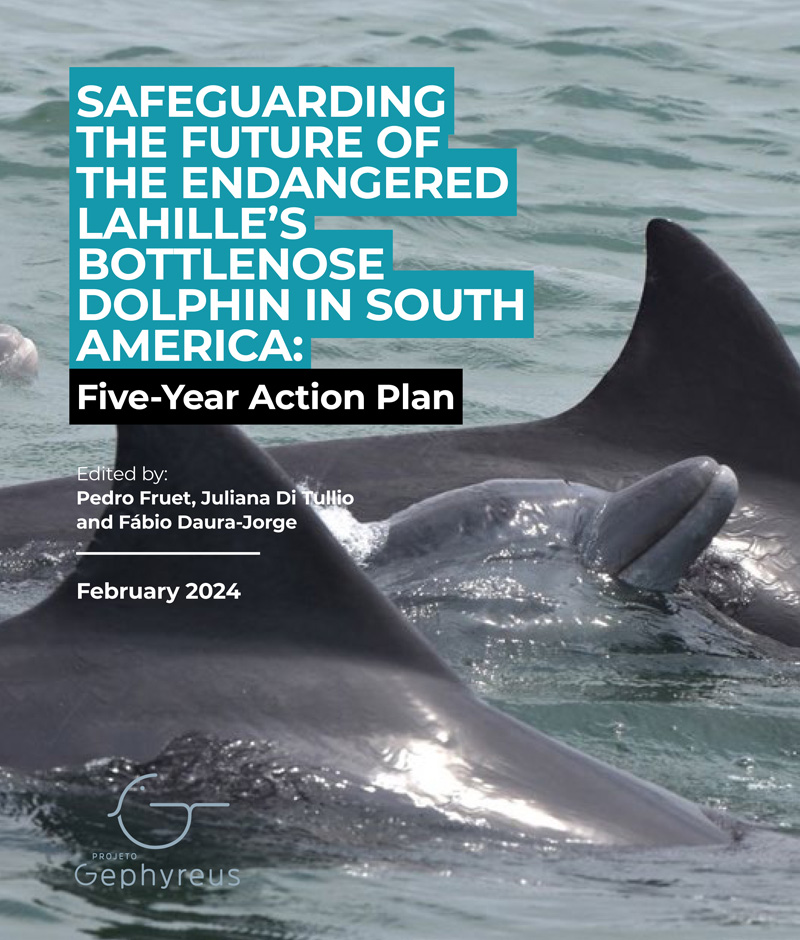
In light of the Lahille bottlenose dolphin’s endangered status, YAQU PACHA and the Nuremberg Zoo, in collaboration with theGephyreus Working Group from Brazil, have launched a strategic initiative that was announced just a few days ago. The goal of this collaboration was to establish research priorities and coordinate conservation efforts to ensure the species’ survival.
This comprehensive strategy, which follows the recommendations of the Integrated Conservation Planning for Whales and Dolphins (ICPC), is the result of extensive consultations, reviews, and expert input. Five strategic areas have been identified: (1) scientific research and conservation, (2) legislation and policy, (3) communication, public relations, and awareness-raising, (4) institutional strengthening and education, and (5) citizen science.
After careful consideration, the researchers compiled a portfolio of projects that align with each strategic priority, taking into account factors such as feasibility, impact, and stakeholder engagement. Of the 26 key projects, eight were classified as high priority, reflecting the strategic focus on initiatives with the potential for significant impact on nature conservation.
This 5-year strategic plan underscores the commitment to addressing the diverse challenges facing the Lahille bottlenose dolphins. By promoting international cooperation, strengthening stakeholder engagement, and setting priorities for targeted actions, stakeholders remain firmly committed to protecting this highly endangered species.
“This document is the most important foundation for a well-thought-out conservation strategy, and if we succeed in implementing the various projects, we can be sure that the Lahille’s bottlenose dolphin (Tursiops gephyreus) will have a future,” said Dr. Lorenzo von Fersen, chairman of YAQU PACHA and curator of research and conservation at the Nuremberg Zoo.
Action_Plan_Lahille_Dolphin (PDF)