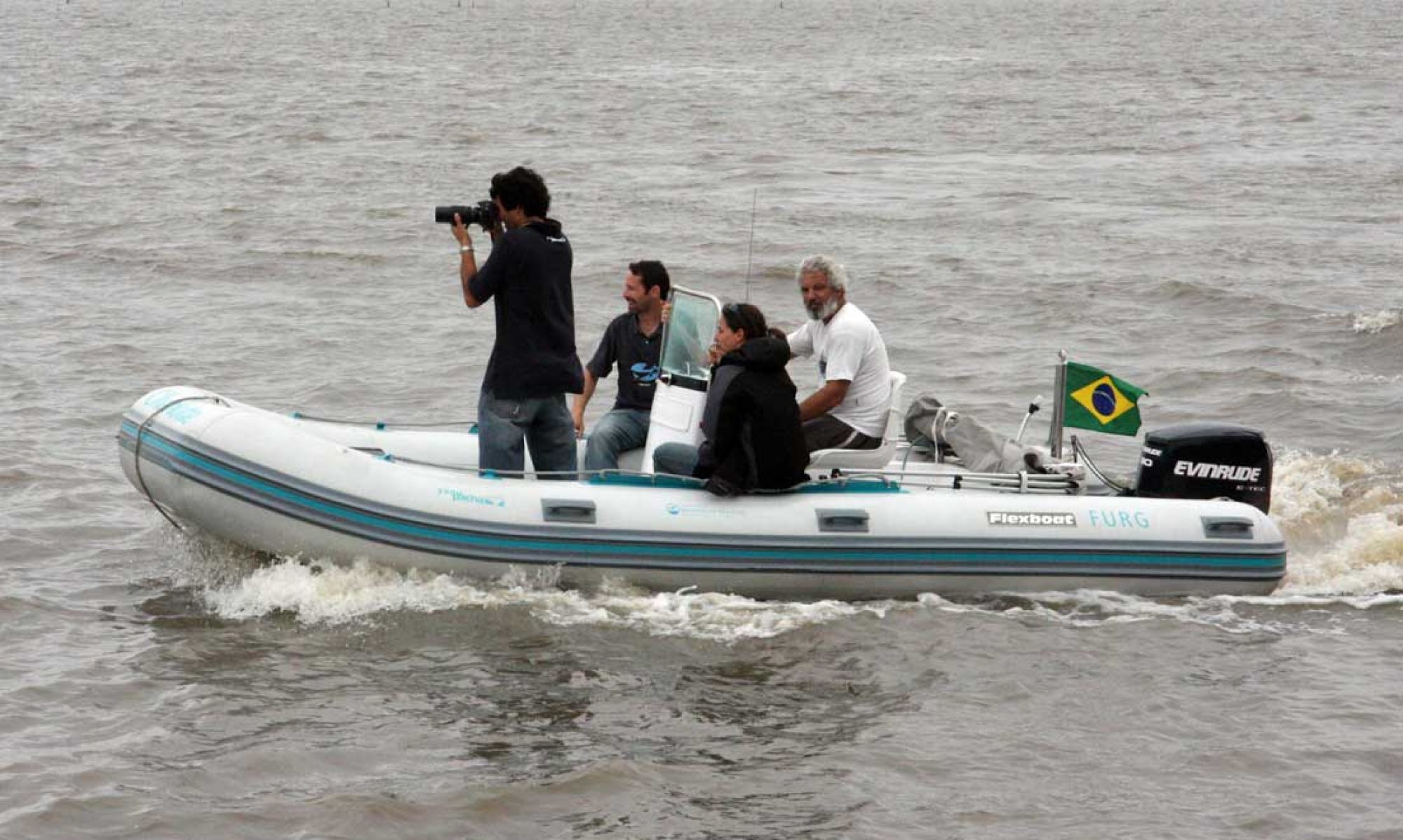

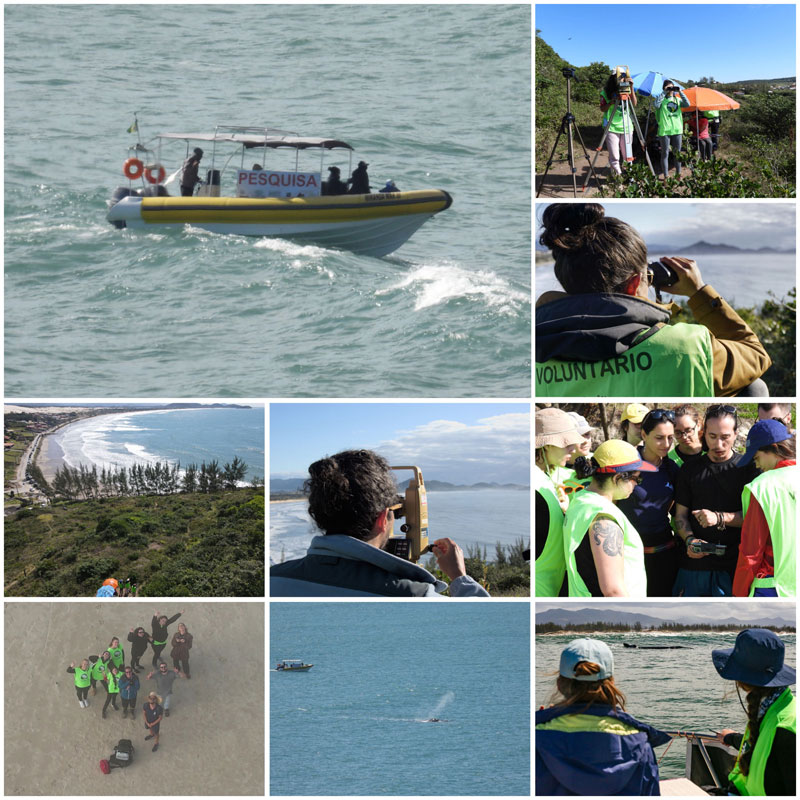
This study assesses the impacts of whale watching on the behavior of the southern right whale (Eubalaena australis) and provides compelling evidence that this activity requires careful monitoring and regulation. The research conducted within the APA da Baleia Franca/ICMBio marine protected area and supported by YAQU PACHA e.V. has yielded invaluable insights that underscore the need for sustainable tourism practices.
Although whale watching is a popular ecotourism activity, it has been shown to have significant impacts on whale behavior and well-being when not properly managed. Through careful observation and data collection, this study examined the effects of whale-watching boats on various aspects of whale behavior. Modern tracking technologies and behavioral analysis methods were used to quantify the extent of human disturbance to the natural behavior of these marine mammals.
The conclusive findings of this assessment serve as an important basis for informed decisions regarding tourism management in the APA da Baleia Franca/ICMBio Marine Protected Area. It is imperative that stakeholders use this knowledge to implement targeted mitigation measures aimed at minimizing disturbance to southern right whales while providing an enriching experience for tourists.
This research makes an important contribution to the overarching goal of promoting the sustainable coexistence of human activities and marine ecosystems. By recognizing the impacts of whale watching and implementing responsible management strategies, we can not only work to protect the whales but also create new opportunities for the people who live in this area and must coexist with wildlife. In this way, we can preserve both biodiversity and the future of human populations.
The results of this project will be incorporated into the master's thesis of Daiane Manholer dos Santos, which is currently being conducted at the State University of Maringá (UEM) in Brazil. The project was supervised by Jonatas Prado and Arturo Andriolo.
Final_Report_CAIPORA_INSTITUTE_Brazil