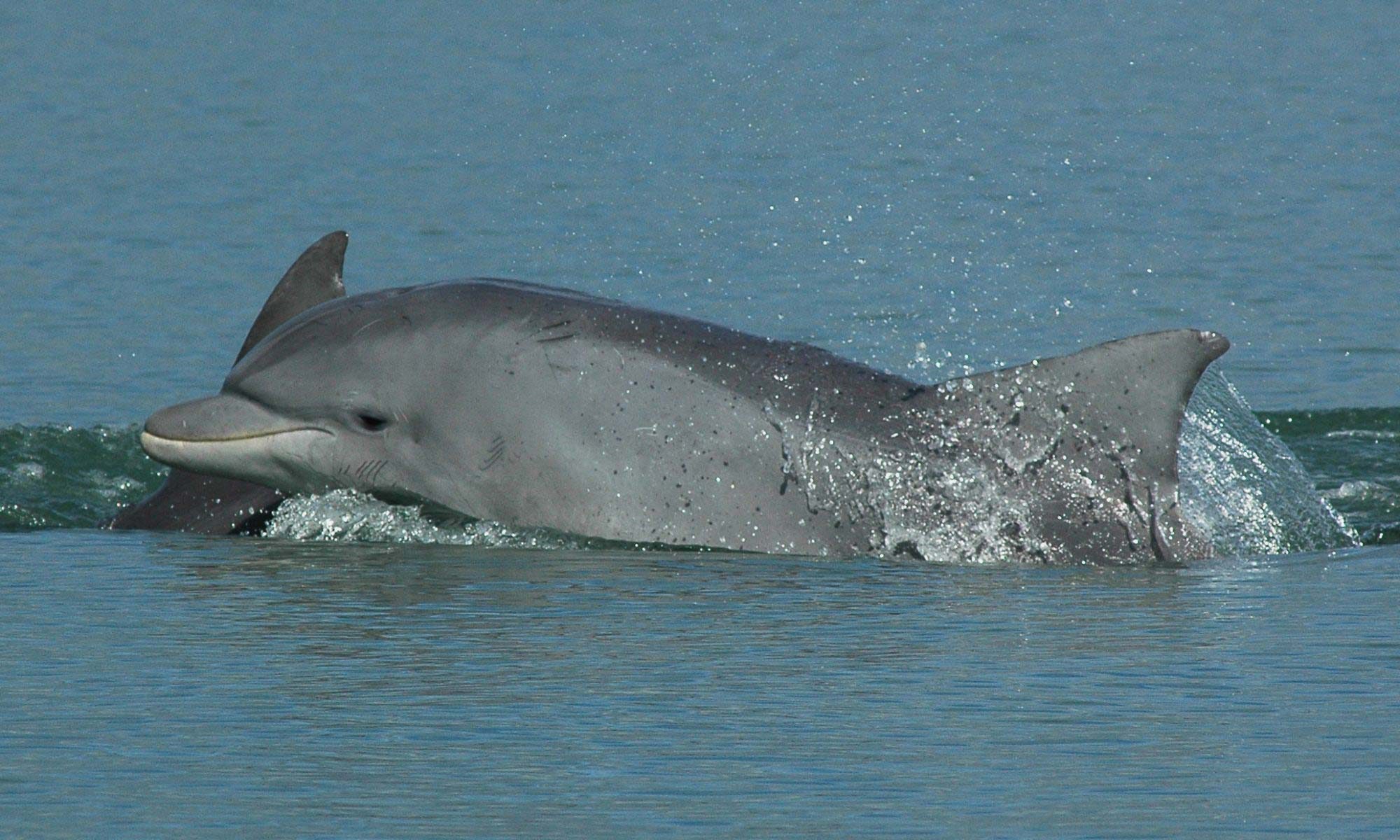

Local ecological knowledge of the Toninha–Franciscana dolphin (Pontoporia blainvillei) among fishermen in southeastern and southern Brazil
The research group Ecologia Humana do Oceano, based at the Federal University of Espírito Santo in southeastern Brazil, conducted a study with traditional fishermen in the southwestern Atlantic on the Toninha— Franciscana dolphin (Pontoporia blainvillei). The research team conducted interviews in ten fishing communities in southeastern and southern Brazil.
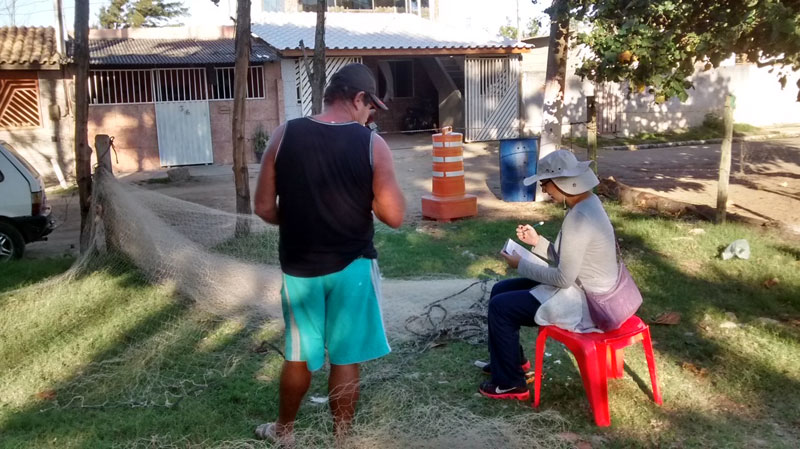
Most fishermen who fish in the Franciscana dolphin’s range were unable to identify this species. The fishermen who recognized the Toninha explain that this dolphin is accidentally caught as bycatch in gillnets. Typically, the carcasses are thrown overboard, but the fat and muscle can be used as bait for shark fishing and for human consumption. These fishermen are unaware of any solutions to reduce the incidental catch of Franciscana dolphins.

The extent to which fishermen can identify the Toninha and provide data on it depends on their direct encounters with the animals. Consequently, local knowledge is influenced by the species’ presence in fishing grounds, the type of fishing gear used, and the characteristics of the habitat (protected areas versus the open sea). These conditions either facilitate or hinder observation of and contact with the Toninha, whose physical and behavioral characteristics already sufficiently limit its visibility in the wild.
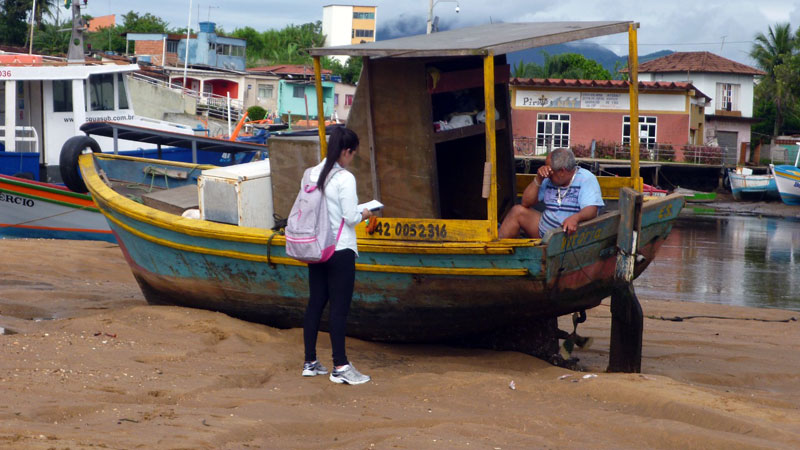
The fishermen’s knowledge of the toninha was compared across the regions studied, and the researchers found that fishermen in the south of the country are more familiar with the species than fishermen in southeastern Brazil. The results of this study suggest that, in the fishing communities studied—particularly in the southeast of the country, where the toninha is less well known—measures are needed to raise awareness about this species.
When conditions were favorable for identifying the species, the fishermen were able to describe its characteristics and provide information on its interactions with fisheries. Local ecological knowledge thus proves to be a useful tool for collecting data on Franciscana dolphin populations that overlap with fishing grounds in the western South Atlantic.
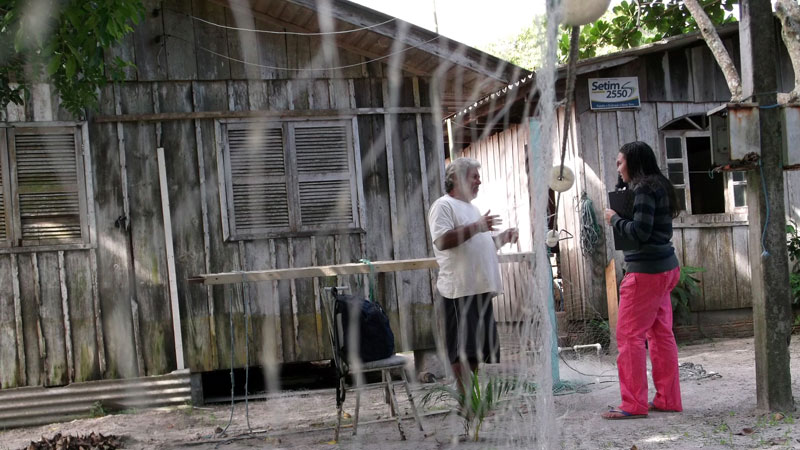
It has been proven that local ecological knowledge (LEK) is invaluable for wildlife conservation, as it contributes to a holistic understanding of ecosystems, improves conservation planning and management, and promotes cultural preservation and the empowerment of local communities. Integrating LEK with other scientific findings creates a more inclusive and effective approach to species conservation that ensures the long-term well-being of both wildlife and local communities. Against this backdrop, YAQU PACHA is strengthening its commitment to and involvement in LEK projects.
You can also read the publication as a PDF: Local Ecological Knowledge of Fishermen from southern and southeastern Brazil about the Franciscana dolphin Pontoporia blainvillei: Strategies for conservation
The study was funded by YAQU PACHA e.V.