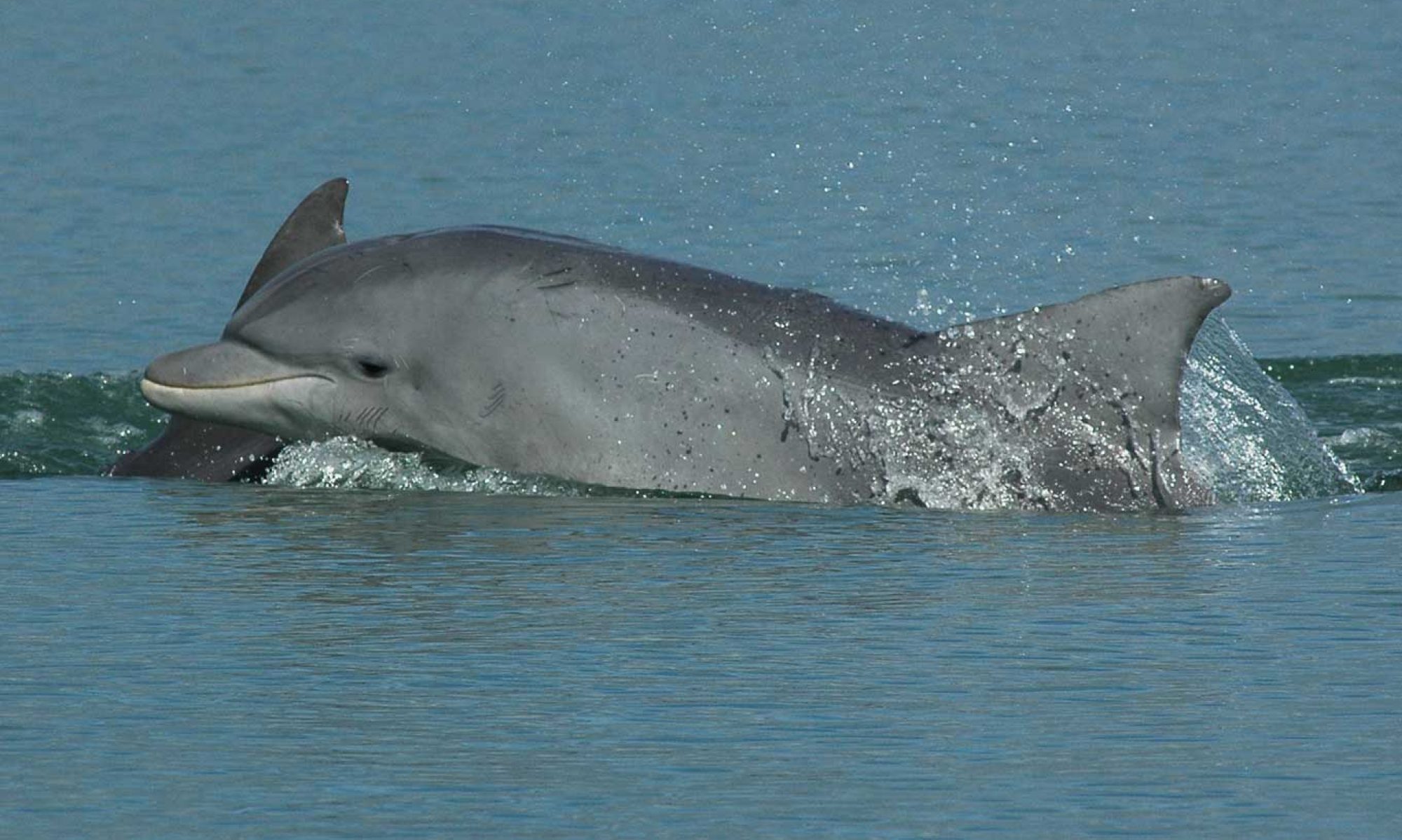

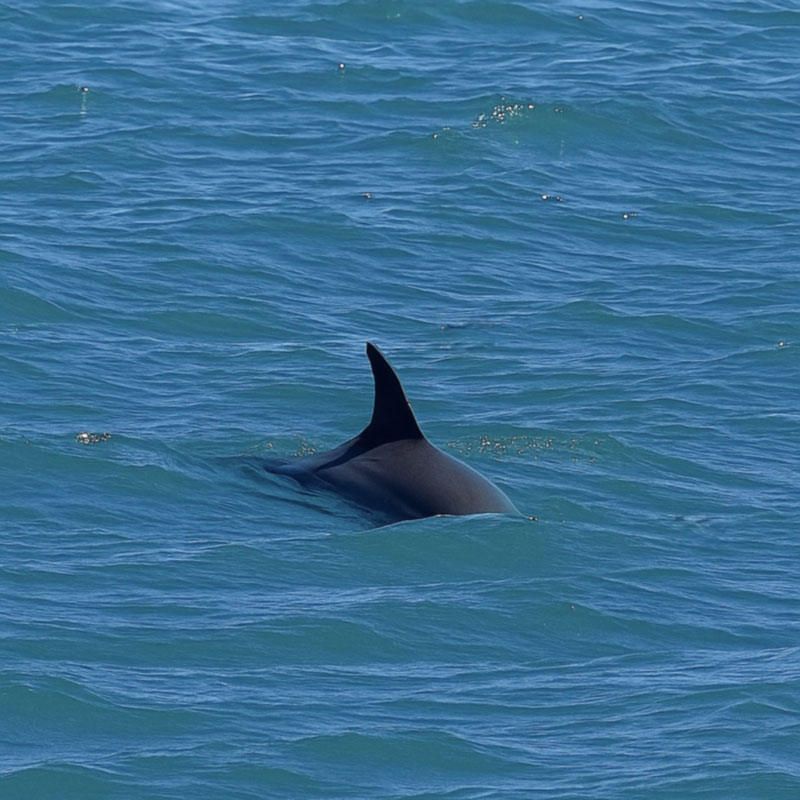
The 2025 research campaign confirms that the vaquita —the world's most endangered marine mammal—is still alive, healthy, and reproducing in the Upper Gulf of California.
Researchers estimate that between 7 and 10 different individuals have been spotted within the protected area, including newborns and juveniles—clear evidence of ongoing reproduction and survival.
Acoustic and visual data show that most vaquitas remain within the Zero Tolerance Area and its extension zone, although some have also been recorded in the northwestern part of the protected area—an area that currently does not offer adequate protection.
The complete elimination of gillnets remains the most important measure for the species' recovery.
The research campaign also included the participation of young people from San Felipe, who are continuing their training as local observers of the vaquita and the marine ecosystem. This ensures that conservation efforts are based on community participation and local ownership.
YAQU PACHA supports the conservation of the vaquita in collaboration with PESCA ABC and promotes alternative fishing methods using handlines, as well as projects to improve and establish sustainable fishing practices. These measures provide sustainable sources of income that do not endanger the vaquita.